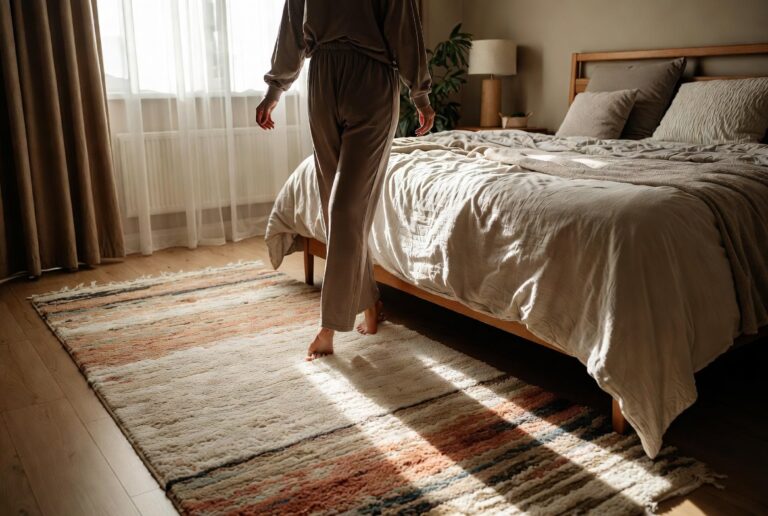
Your living room sees constant action. Kids running through, pets tracking dirt, guests gathering for game nights. A beautiful rug shouldn’t become a casualty of daily life.
The best rugs for high-traffic living room spaces balance durability with style. They resist staining, handle foot traffic without matting, and clean up easily when accidents happen. Let’s find one that survives your actual life while looking great.
Best Rugs for High-Traffic Living Room(Product Reviews)
1. Safavieh Adirondack Collection Vintage Oriental Rug
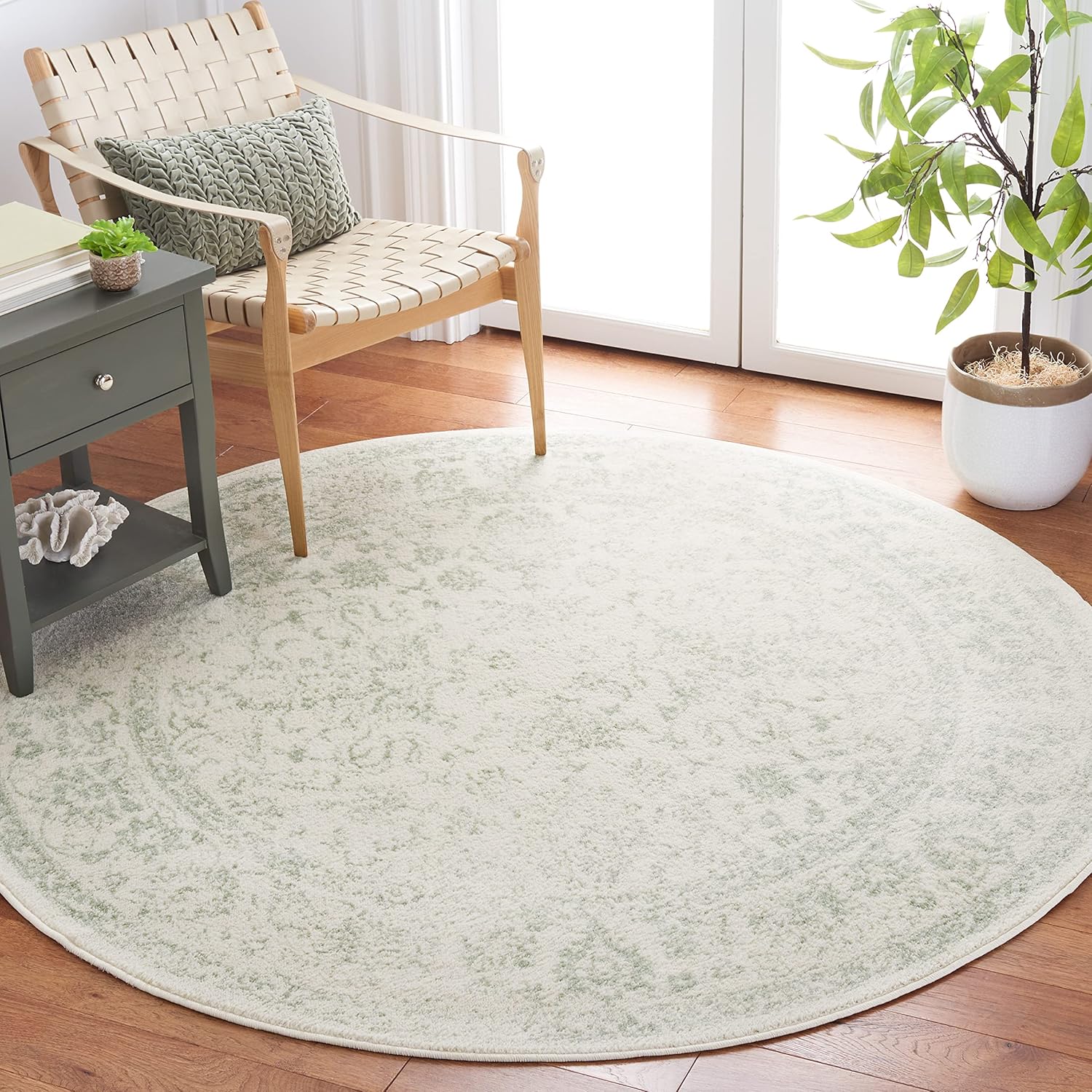
This machine-made polypropylene rug handles heavy foot traffic without showing wear. The low pile (0.25 inches) resists matting even in main walkways. The vintage-inspired design hides dirt and imperfections brilliantly between cleanings.
The power-loomed construction creates consistent quality throughout the rug. Colors stay vibrant through years of use and multiple cleanings. The stain-resistant fibers repel spills, giving you time to clean before permanent damage occurs.
Available sizes range from small accent rugs to room-filling 10×14 options. The non-slip backing helps keep it in place without a separate pad. Multiple color variations suit different decorating schemes from neutral to bold.
Pros:
- Extremely durable polypropylene fibers
- Low pile resists traffic wear
- Machine-made consistency
- Stain-resistant treatment
- Multiple sizes available
- Non-slip backing included
- Hides dirt between cleanings
Cons:
- Synthetic feel less plush than wool
2. nuLOOM Moroccan Blythe Area Rug
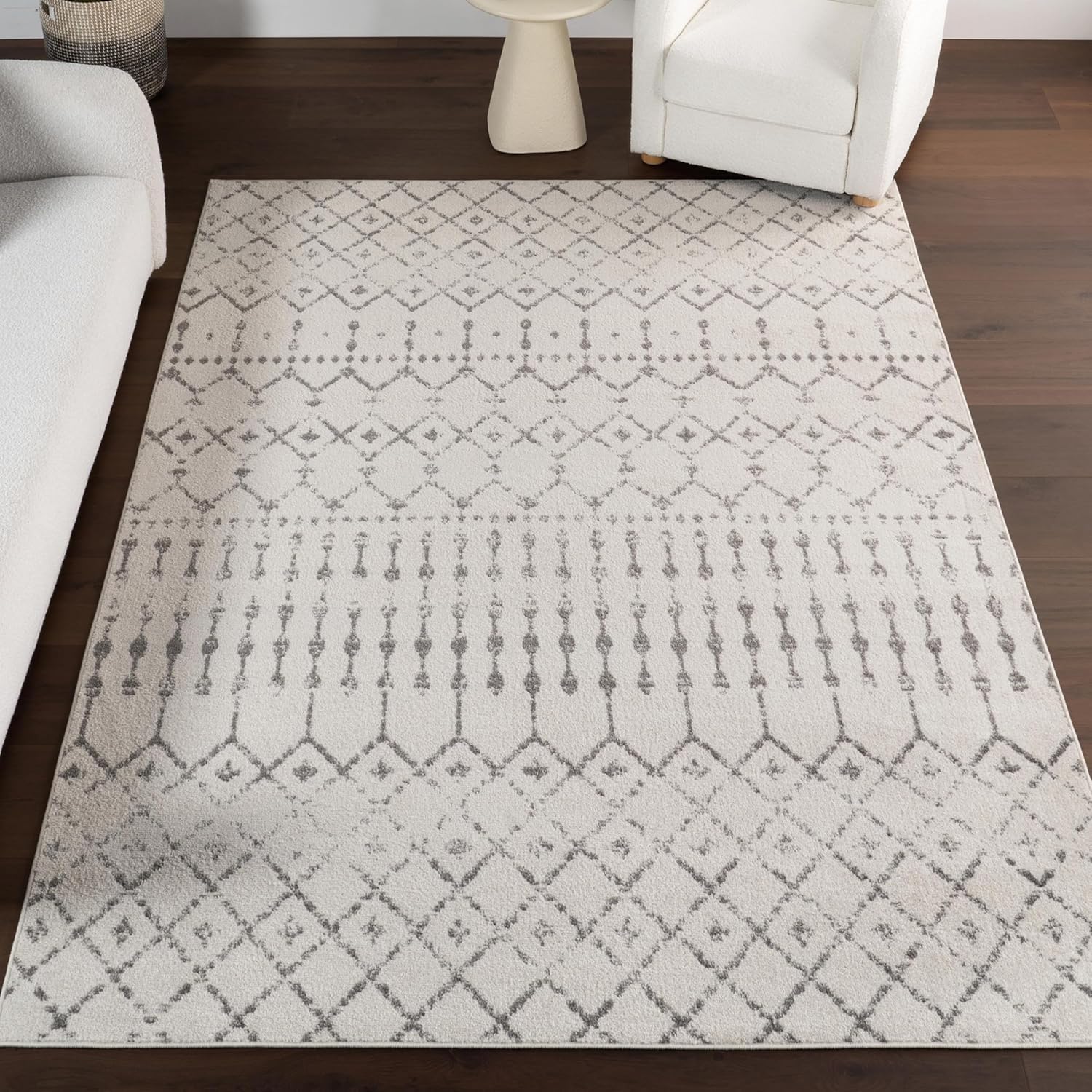
This contemporary Moroccan-inspired rug brings style to high-traffic areas. The medium pile (0.5 inches) offers comfort underfoot while staying resilient. The geometric pattern in various colors coordinates with modern and transitional decor.
The polypropylene construction resists fading from sunlight and wear. Regular vacuuming keeps it looking fresh for years. The material doesn’t shed like natural fibers, which means less constant cleaning.
The rug lies flat quickly after unrolling with minimal creasing. Multiple color options let you match existing furniture or add visual interest. The quality feels substantial without excessive weight.
Pros:
- Stylish Moroccan pattern
- Fade-resistant construction
- No shedding issues
- Medium pile for comfort
- Lies flat quickly
- Multiple color choices
- Easy to vacuum
Cons:
- May need rug pad for extra cushioning
3. Unique Loom Sofia Collection Area Rug
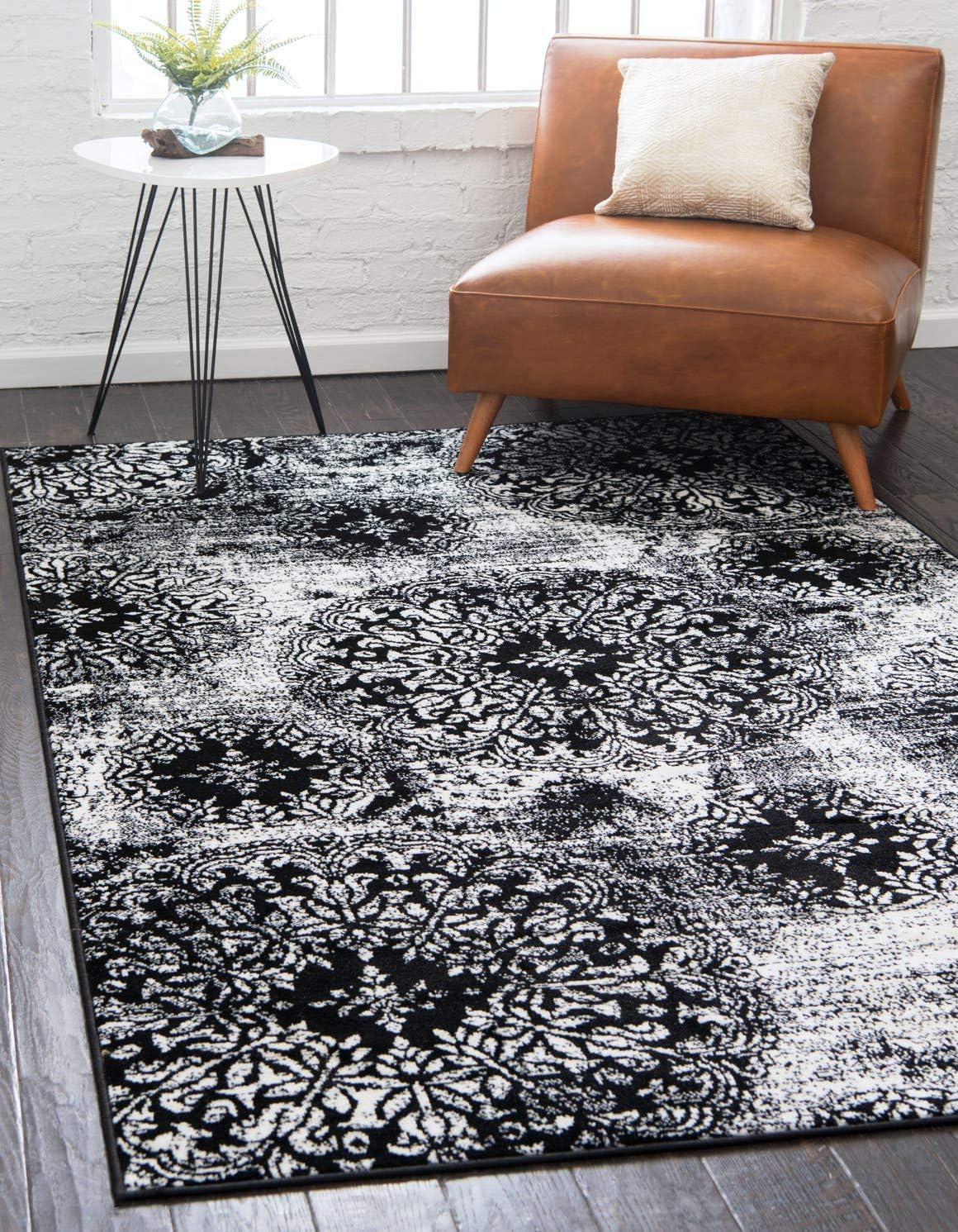
This traditional-style rug combines classic elegance with modern durability. The polypropylene fibers mimic expensive wool rugs at a fraction of the cost. The intricate border and medallion design look sophisticated and timeless.
The low 0.4-inch pile height makes vacuuming effortless and prevents tripping hazards. High-traffic areas don’t crush or mat the pile. The tight weave prevents dirt from penetrating deep into fibers.
Colors stay true through sunlight exposure and repeated cleanings. The rug resists common household stains including wine, coffee, and pet accidents. Quick blotting handles most spills without professional cleaning.
Pros:
- Traditional design looks expensive
- Stain-resistant polypropylene
- Low pile for easy cleaning
- Tight weave prevents deep dirt
- UV-resistant colors
- Affordable pricing
- Multiple sizes
Cons:
- Traditional style may not suit modern decor
4. ReaLife Machine Washable Rug
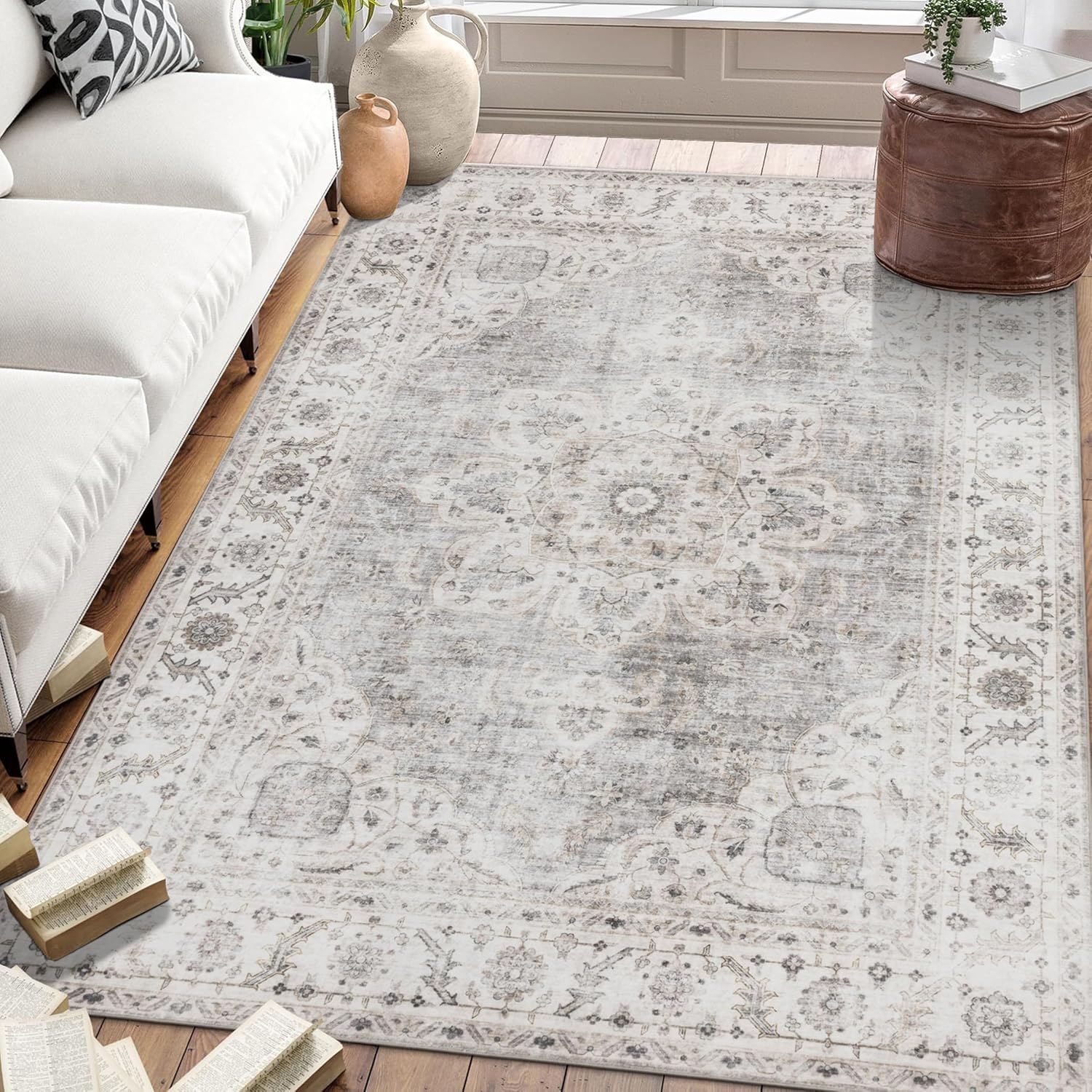
This revolutionary rug goes straight into your washing machine for easy cleaning. The chenille material feels soft and inviting underfoot. The non-slip backing prevents bunching during use and washing.
The ability to wash the entire rug transforms maintenance for high-traffic areas. Spills, pet accidents, and ground-in dirt wash away completely. No professional cleaning bills or spot treatment hassles.
The low profile fits under doors and furniture easily. Modern geometric patterns suit contemporary spaces perfectly. The rug maintains its shape and color through multiple wash cycles.
Pros:
- Completely machine washable
- Soft chenille material
- Non-slip backing
- Holds shape through washing
- Modern design options
- No professional cleaning needed
- Budget-friendly
Cons:
- Smaller size range than other options
- Must fit in your washing machine
5. Home Dynamix Tribeca Contemporary Area Rug
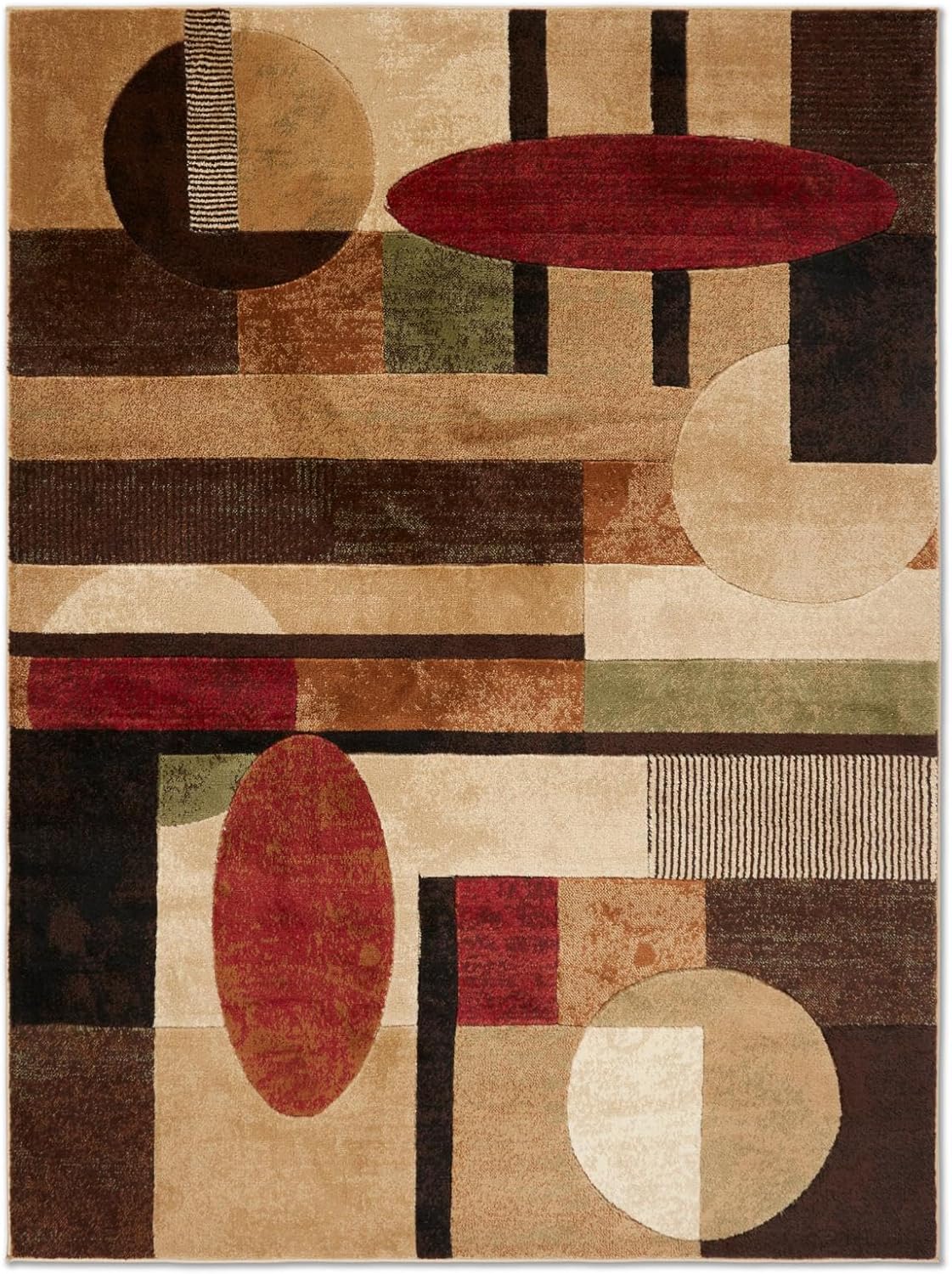
This contemporary rug features abstract designs that disguise traffic wear. The low pile polypropylene construction resists staining and fading. The modern patterns and colors suit current design trends.
The power-loomed construction creates tight, durable weaving. The stain-resistant treatment helps repel common household spills. The fade-resistant colors maintain vibrancy in sunny rooms.
The affordable price makes it easy to update your look every few years. Multiple pattern options let you express personal style. The lightweight construction makes moving and cleaning underneath simple.
Pros:
- Contemporary abstract designs
- Stain and fade resistant
- Tight power-loomed weave
- Budget-friendly pricing
- Lightweight and moveable
- Multiple pattern choices
- Low pile for easy care
Cons:
- Thinner construction than premium options
Best Rugs for High-Traffic Living Room(Buying Guide)
1. Material Selection for Durability
Polypropylene (also called olefin) tops the list for high-traffic durability. It resists stains, moisture, and fading naturally. The synthetic fibers bounce back from foot traffic without matting.
Nylon offers excellent resilience and softness. It’s more expensive than polypropylene but feels closer to natural fibers. Treated nylon resists stains effectively.
Wool provides natural durability and beauty but requires more maintenance. It costs significantly more than synthetics. Consider wool for formal living rooms with moderate traffic.
Polyester balances affordability with decent durability. It’s softer than polypropylene but may show traffic patterns sooner. Look for high-twist polyester for better resilience.
2. Pile Height and Density Considerations
Low pile rugs (under 0.5 inches) work best for high-traffic living rooms. They resist crushing and matting from constant foot traffic. Vacuuming is easier and more effective on shorter piles.
Dense, tight weaves outlast loose, fluffy constructions. Check the rug’s weight per square yard. Heavier generally means denser and more durable.
Medium pile (0.5-0.75 inches) offers comfort while maintaining decent durability. It feels softer underfoot than ultra-low options. Regular vacuuming prevents matting.
Avoid high pile or shag rugs in high-traffic areas. They mat quickly and trap dirt deep in fibers. Save these styles for bedrooms or low-traffic spaces.
3. Color and Pattern Strategy
Busy patterns hide dirt, stains, and wear far better than solid colors. Multi-colored designs camouflage imperfections between cleanings. Geometric or abstract patterns work especially well.
Medium to dark colors disguise daily soil better than light shades. Beware of very dark colors that show every speck of dust or pet hair. Mid-tones strike the best balance.
Variegated or heathered colors hide traffic patterns and wear marks. Solid colors show every footprint and compressed area. The visual interest of patterns distracts from imperfections.
Consider your lifestyle when choosing colors. Homes with pets need patterns that hide fur color. Kids mean choosing stain-camouflaging designs.
4. Size and Placement Principles
Larger rugs anchor furniture groupings and define conversation areas. Leave 18-24 inches of bare floor around the rug’s perimeter. All furniture front legs should sit on the rug.
Smaller accent rugs work in traffic paths but need non-slip padding. They protect high-wear areas while adding style. Replace them more frequently than large rugs.
Measure your space carefully before ordering. Account for furniture placement and traffic flow. Too-small rugs look awkward and slide around.
Consider multiple smaller rugs instead of one large one. This approach lets you replace worn sections affordably. It also adds visual interest.
5. Maintenance and Cleaning Requirements
Best rugs for high-traffic living room areas need simple maintenance routines. Vacuum high-traffic rugs twice weekly minimum. This prevents dirt from grinding into fibers.
Choose rugs with stain-resistant treatments for easier cleanup. Spot clean spills immediately for best results. Use recommended cleaning products to avoid voiding warranties.
Professional cleaning every 12-18 months extends rug life significantly. It removes deep dirt that vacuuming misses. Machine-washable rugs save this expense.
Rotate rugs every 6 months to distribute wear evenly. This prevents permanent traffic patterns. Rotation also helps fade from sunlight even out.
6. Budget and Longevity Balance
Expensive rugs aren’t always more durable for high-traffic areas. Modern synthetics often outperform pricey natural fibers in durability. Invest in quality construction rather than exotic materials.
Budget for replacement every 5-7 years in truly high-traffic areas. Rotating multiple affordable rugs costs less than one expensive option. It also lets you update your style.
Watch for sales on quality rugs to maximize value. Buy slightly larger than needed for future room changes. Quality construction at sale prices beats cheap rugs at full price.
Consider cost per year rather than upfront price. A $200 rug lasting 7 years costs less annually than a $100 rug needing replacement in 2 years.
Protecting Your High-Traffic Rug
Quality rug pads extend your rug’s life significantly. They cushion against foot traffic impact and prevent sliding. Look for non-slip, breathable options that won’t damage floors.
Place doormats at all entrances to your living room. This captures dirt and moisture before it reaches your rug. Even small mats make a noticeable difference.
Implement a no-shoes policy if possible. Shoes track in the most damaging dirt and oils. Socks or bare feet are much gentler on rug fibers.
Trim pet nails regularly to prevent snags and pulls. Pets’ claws can damage even durable rugs over time. Regular grooming also reduces shedding on your rug.
Rearrange furniture periodically to shift traffic patterns. This prevents permanent pathways from forming. Even slight changes distribute wear more evenly.
Address spills immediately to prevent staining. Keep cleaning supplies easily accessible near your living room. Quick action saves rugs from permanent damage.
Conclusion
The best rugs for high-traffic living room spaces prove that durability doesn’t mean sacrificing style. Whether you choose machine-washable convenience or stain-resistant polypropylene, these rugs handle real life beautifully.
Focus on practical features like low pile height, stain resistance, and pattern selection that hides wear. Your rug should enhance your living space without causing constant worry. With the right choice, you’ll enjoy both beauty and peace of mind for years to come.
Frequently Asked Questions
1. What rug material is most durable for high traffic?
Polypropylene (olefin) offers the best durability for high-traffic areas. It resists stains, fading, and moisture naturally. The fibers spring back from foot traffic without permanent matting.
Nylon comes in second for durability with better softness. It costs more but feels more comfortable underfoot. Both materials significantly outlast natural fibers in busy areas.
2. How often should I replace a high-traffic rug?
Quality high-traffic rugs last 5-7 years with proper care. Cheaper rugs may need replacement in 2-3 years. Visible wear patterns or stubborn stains signal replacement time.
Regular maintenance extends rug life significantly. Vacuuming, rotating, and professional cleaning help rugs last longer. Replace when cleaning no longer refreshes appearance.
3. Do I need a rug pad under high-traffic rugs?
Yes, quality rug pads significantly extend rug life. They cushion against foot traffic impact and prevent sliding. Non-slip pads also improve safety in busy areas.
Choose breathable pads that won’t damage your flooring. Rubber or felt pads work well for most situations. Proper padding makes rugs more comfortable too.
4. Can I use natural fiber rugs in high-traffic areas?
Natural fibers like wool can work in high-traffic areas but require more maintenance. They cost more and need professional cleaning regularly. Synthetic options provide better value for truly busy spaces.
Jute and sisal are too delicate for high-traffic living rooms. They stain easily and wear quickly. Reserve natural fibers for moderate-traffic areas.
5. How do I clean high-traffic rugs?
Vacuum high-traffic rugs at least twice weekly. Use the appropriate setting for your rug’s pile height. This prevents dirt from grinding deep into fibers.
Spot clean spills immediately with appropriate cleaners. Blot rather than rub to avoid spreading stains. Professional cleaning every 12-18 months maintains appearance.
6. What colors hide dirt best on rugs?
Multi-colored patterns hide dirt far better than solid colors. Medium tones work better than very light or dark shades. Heathered or variegated colors camouflage wear and stains.
Avoid pure white, cream, or black for high-traffic areas. These extremes show every speck of dirt. Mid-tone grays, browns, and blues balance concealment with style.
7. Should high-traffic rugs be low pile or plush?
Low pile rugs (under 0.5 inches) work best for high-traffic areas. They resist matting and are easier to clean. The shorter pile prevents tripping hazards too.
Plush, high-pile rugs mat quickly in busy areas. They also trap dirt deep in fibers. Save plush rugs for bedrooms or low-traffic spaces.