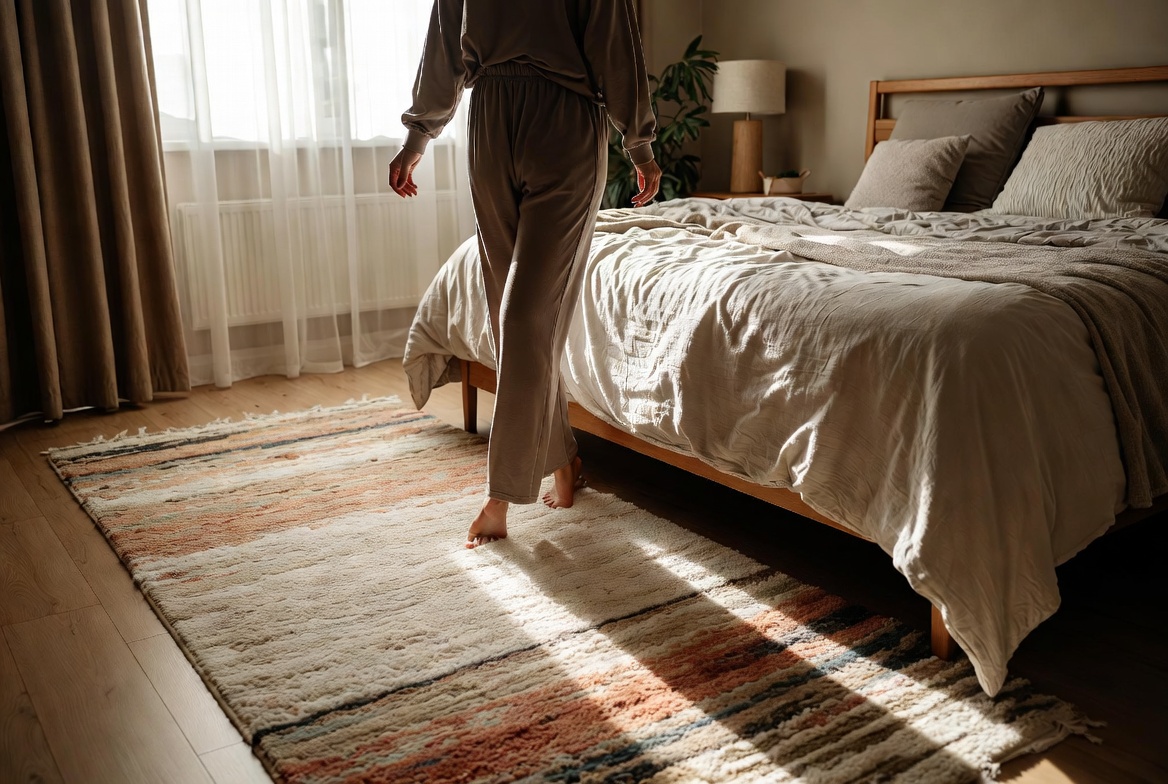
Your feet hit the floor first thing every morning. That moment should feel soft and welcoming, not cold and jarring. The right bedroom rug transforms this daily experience while anchoring your room’s design.
The best bedroom rugs balance softness with durability, style with practicality. They’re comfortable enough for bare feet, easy to clean, and enhance your bedroom aesthetic. Let’s find one that makes getting out of bed a little easier.
Top Bedroom Rug Picks
- Best Overall: nuLOOM Moroccan Blythe Rug
- Best Soft Option: Safavieh California Shag
- Best Budget Choice: Unique Loom Solo Collection
Product Reviews for the Best Bedroom Rugs
1. nuLOOM Moroccan Blythe Area Rug
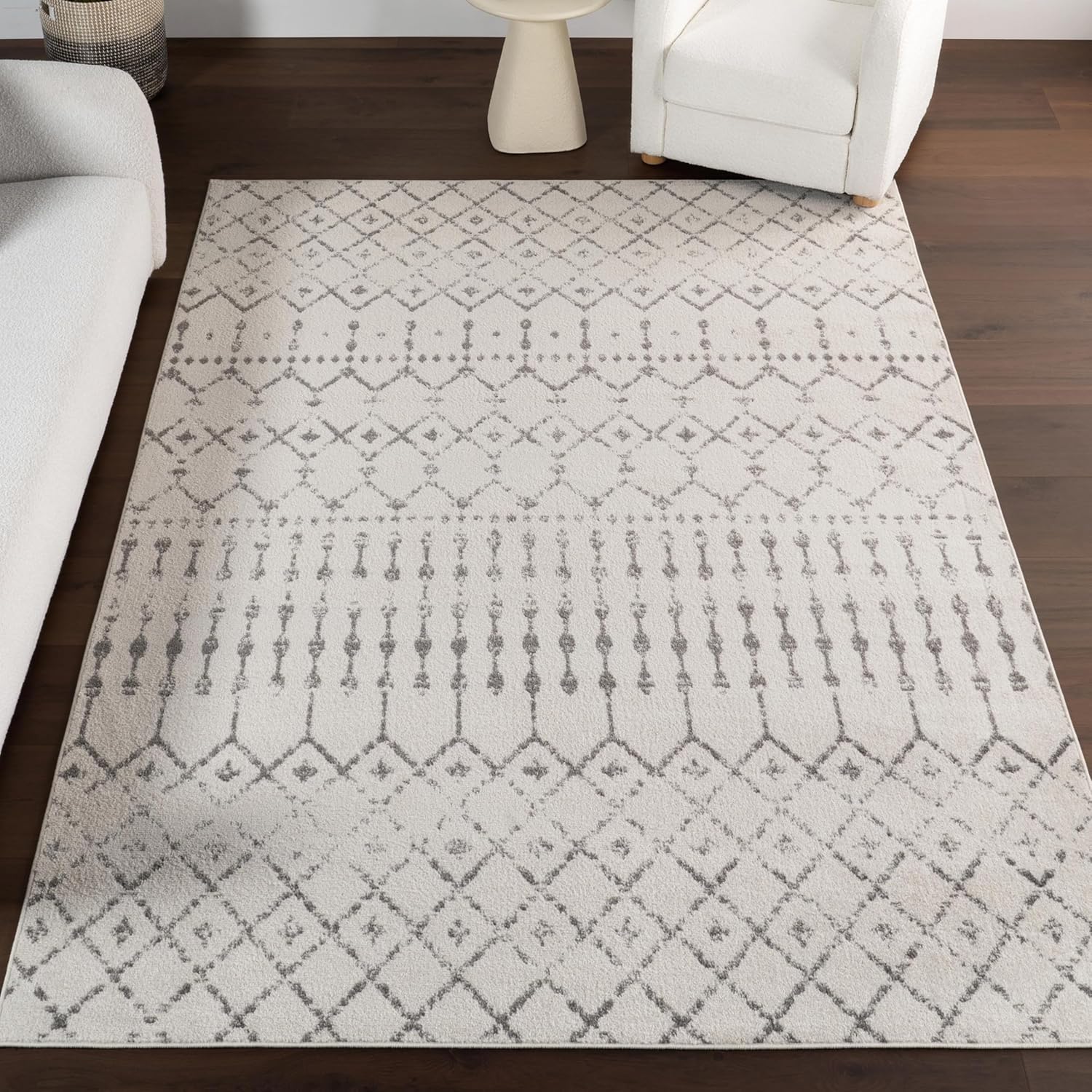
This contemporary Moroccan-inspired rug brings pattern and texture to bedrooms. The medium pile (0.5 inches) feels soft underfoot without being too plush. The geometric design adds visual interest while remaining versatile enough for various styles.
The polypropylene construction resists staining and fading exceptionally well. Regular vacuuming keeps it looking fresh for years. The material doesn’t shed like natural fibers, eliminating constant cleanup.
The rug lies flat quickly after unrolling with minimal creasing. Multiple size options fit bedrooms from cozy to spacious. Color variations range from subtle neutrals to bolder statements.
Pros:
- Contemporary Moroccan design
- Soft 0.5-inch pile
- Stain and fade resistant
- No shedding issues
- Multiple sizes available
- Lies flat quickly
- Easy maintenance
Cons:
- Synthetic feel less plush than wool
2. Safavieh California Shag Collection
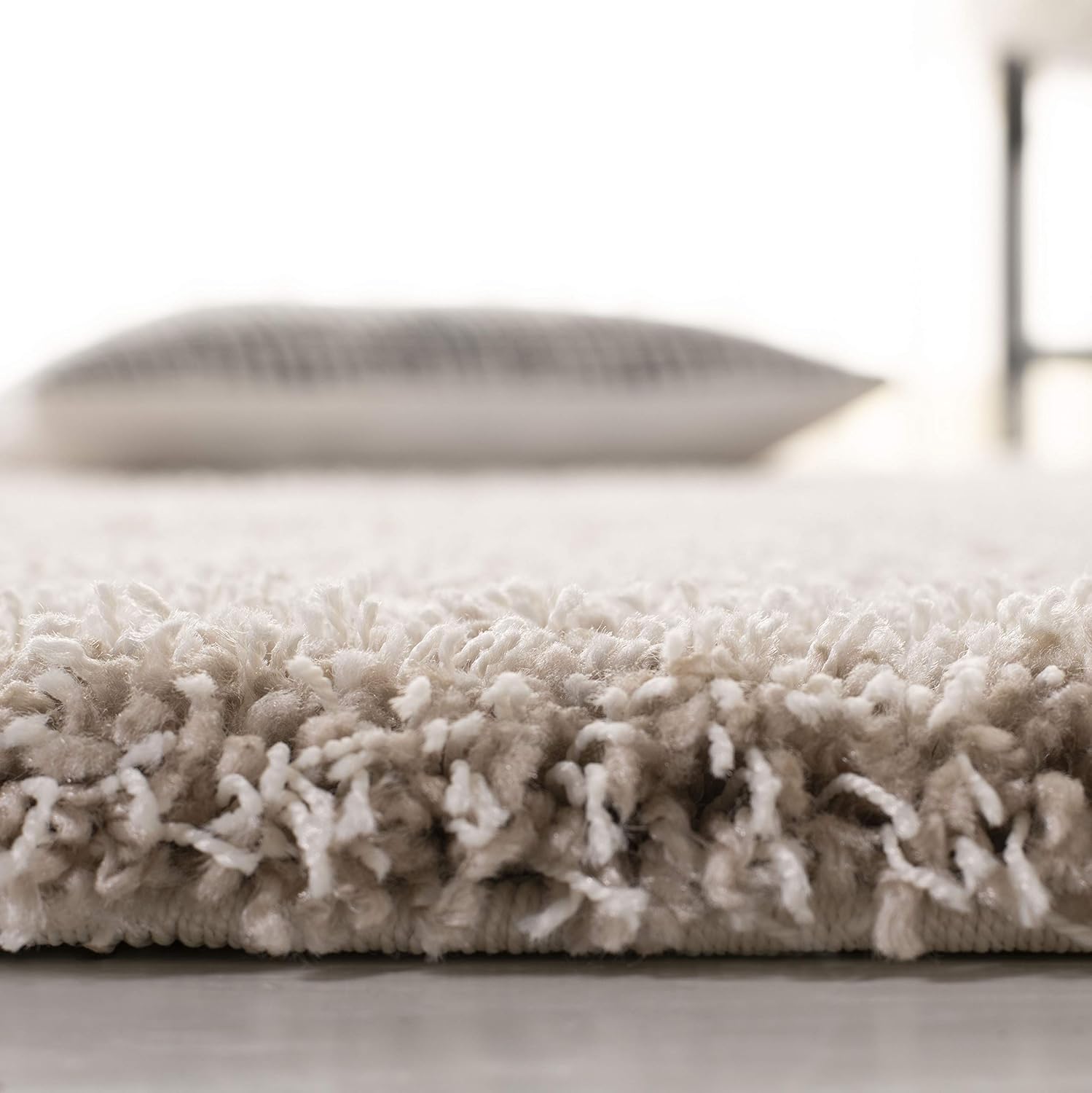
This plush shag rug creates luxurious comfort for bedroom spaces. The 2-inch pile feels incredibly soft and inviting underfoot. The solid colors work as neutral foundations or bold statement pieces.
The polypropylene fibers resist crushing and maintain their plush feel. The thick pile provides excellent cushioning between your feet and hard floors. The rug transforms cold tile or hardwood into cozy comfort.
The shag construction requires regular vacuuming to prevent matting. The substantial thickness may interfere with door clearance. Multiple color options suit different bedroom palettes.
Pros:
- Luxuriously soft 2-inch pile
- Excellent cushioning
- Resists crushing
- Solid color options
- Transforms cold floors
- Durable polypropylene
Cons:
- May block door swing
- Requires regular vacuuming
3. Unique Loom Solo Collection Area Rug
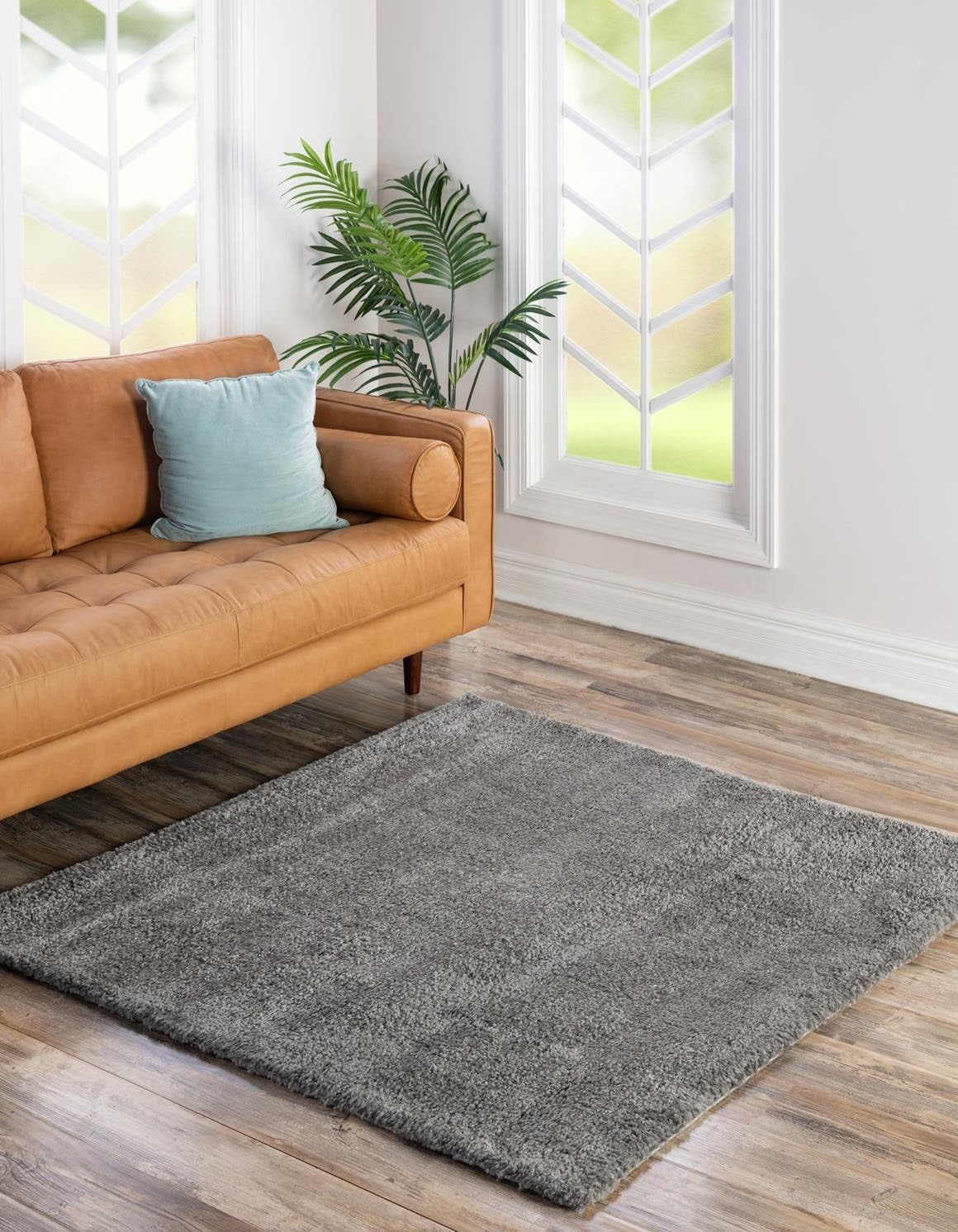
This solid-color rug offers simplicity and versatility at budget-friendly prices. The low pile (0.4 inches) makes it easy to clean and maintain. The neutral colors coordinate with any bedroom decor scheme.
The polypropylene construction provides durability for daily foot traffic. The rug resists staining from spills or accidents. The tight weave prevents dirt from penetrating deep into fibers.
The minimal design lets bedroom furniture and bedding shine. The rug anchors the space without overwhelming it. Multiple sizes fit various room dimensions and bed placements.
Pros:
- Budget-friendly pricing
- Versatile solid colors
- Easy to clean
- Stain-resistant
- Low pile for simple maintenance
- Multiple size options
- Minimal design
Cons:
- Basic styling may feel plain
- Less cushioning than higher piles
4. Gertmenian Avenue 33 Berber Area Rug
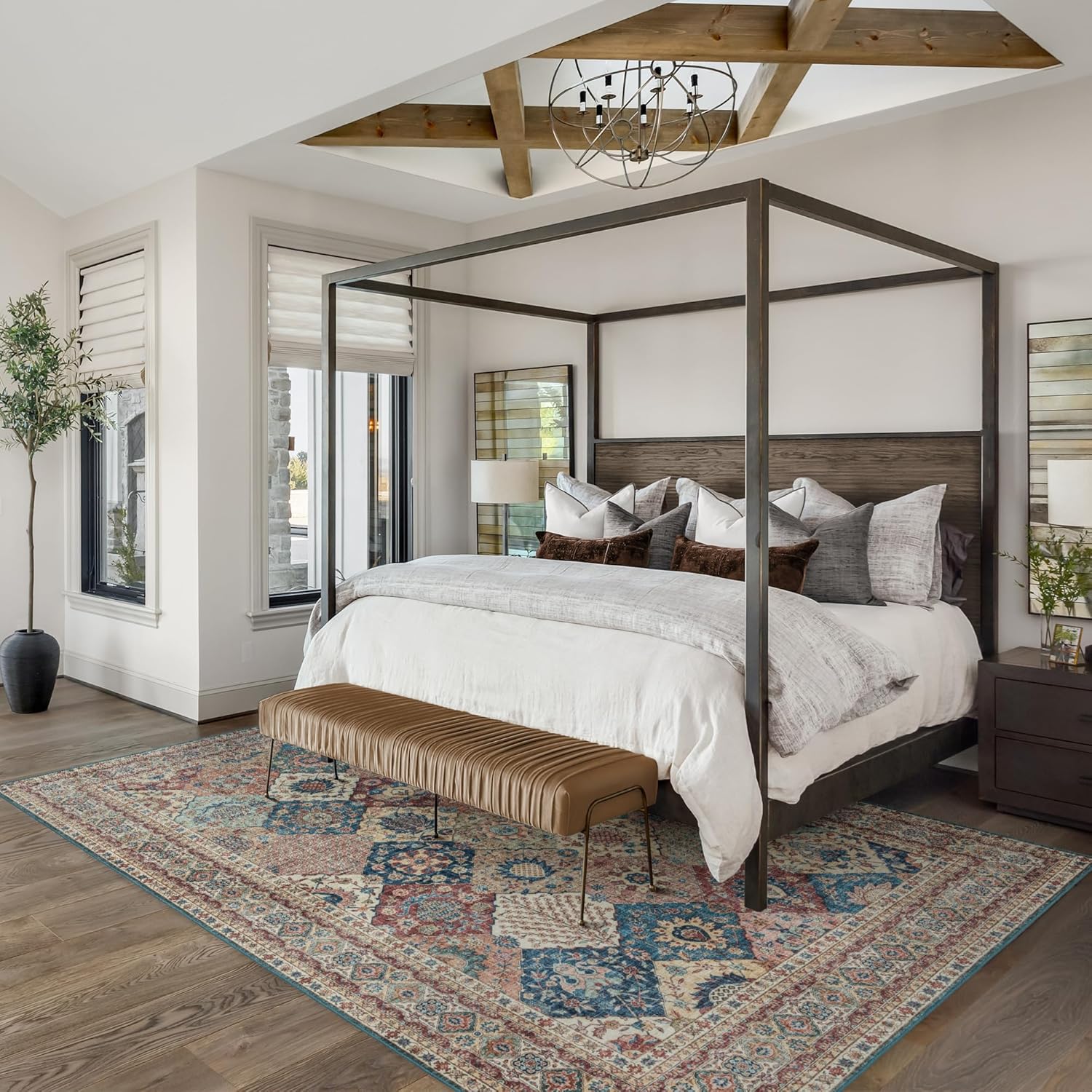
This Berber-style rug brings texture and warmth to bedrooms. The heathered colors hide dirt and imperfections between cleanings. The looped construction feels comfortable while resisting wear.
The stain-resistant treatment helps repel common spills. The neutral tones work with various color schemes. The rug adds visual interest through texture rather than bold patterns.
The low-profile design fits under furniture and doors easily. The construction holds up to daily use without showing traffic patterns. The affordable price makes it accessible for most budgets.
Pros:
- Berber loop construction
- Heathered colors hide dirt
- Stain-resistant treatment
- Low-profile design
- Affordable pricing
- Neutral tones
- Durable construction
Cons:
- Loops may catch on jewelry or toenails
5. Mohawk Home Karastan Touchstone Virginia Area Rug
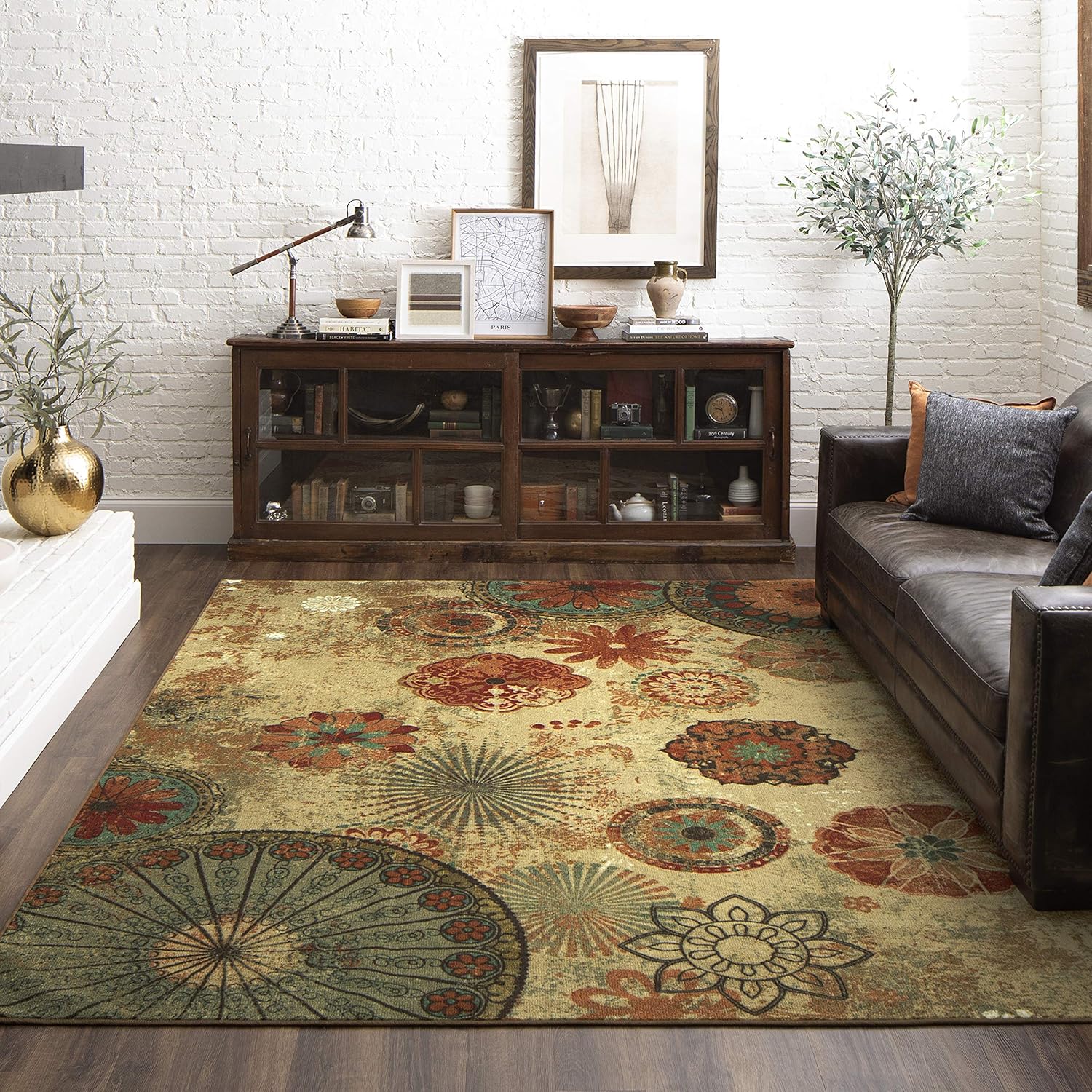
This traditional-style rug adds elegance to bedroom spaces. The intricate pattern brings visual richness and depth. The SmartStrand fiber technology resists staining and crushing effectively.
The medium pile provides comfortable cushioning underfoot. The fiber construction maintains its appearance through years of use. The permanent stain resistance handles spills without special treatments.
The sophisticated design works in master bedrooms or formal guest rooms. The quality construction justifies the investment. The rug feels substantial and well-made.
Pros:
- Elegant traditional design
- SmartStrand fiber technology
- Permanent stain resistance
- Resists crushing
- Medium pile comfort
- Quality construction
- Sophisticated appearance
Cons:
- Traditional style limits modern applications
- Higher price point
6. Well Woven Miami Soft Plush Shag Area Rug
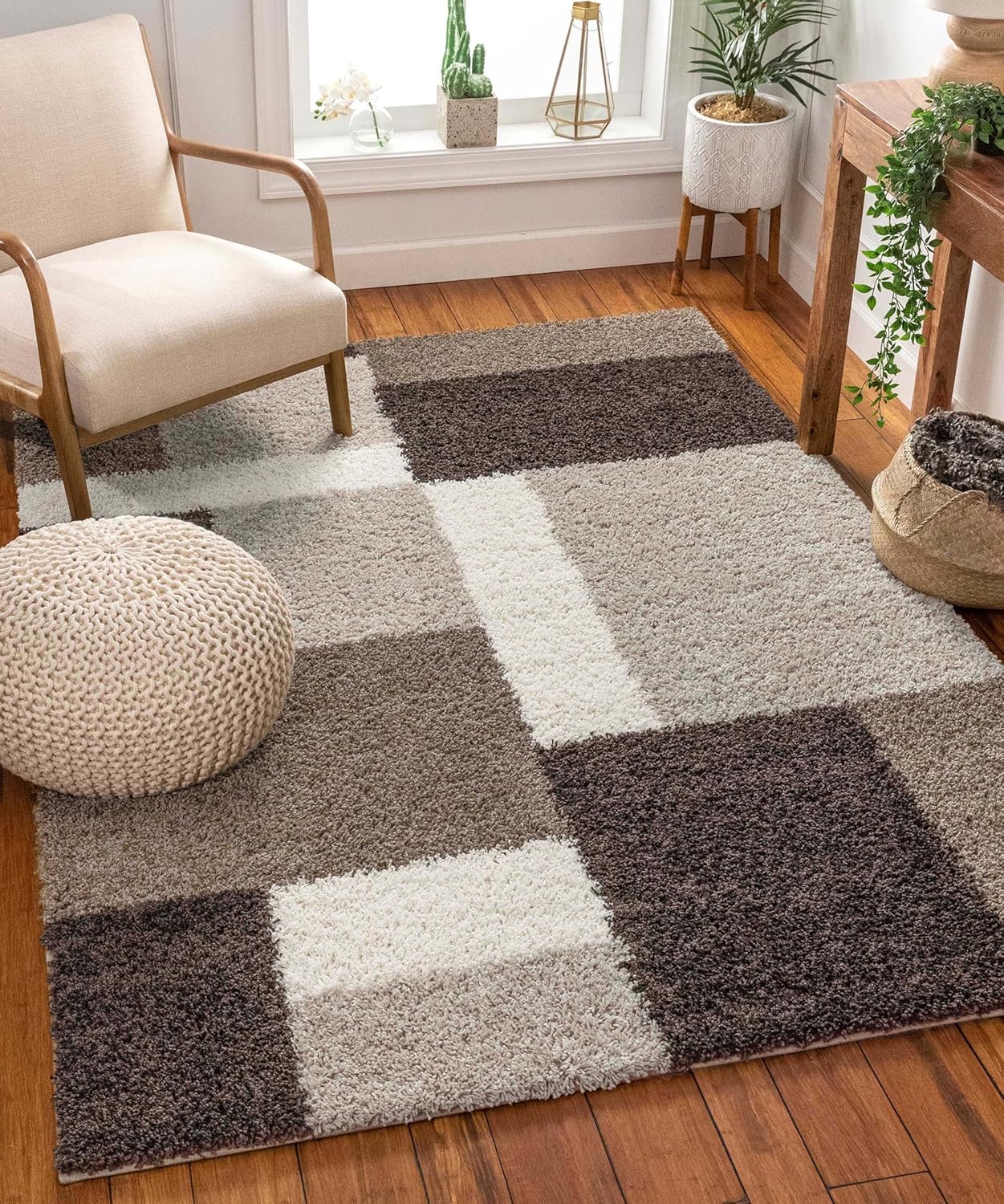
This affordable shag rug delivers softness at budget-friendly prices. The 1.5-inch pile creates comfortable cushioning. The solid colors work as neutral backdrops or colorful statements.
The polypropylene construction resists fading and staining. The rug requires regular vacuuming to maintain its plush appearance. The thickness provides insulation against cold floors.
The simple styling works in bedrooms of all ages. The rug feels substantial without excessive weight. Multiple color options match different bedroom aesthetics.
Pros:
- Affordable plush shag
- 1.5-inch pile comfort
- Fade and stain resistant
- Insulates cold floors
- Multiple color choices
- Substantial feel
- All-age appropriate
Cons:
- Requires regular vacuuming maintenance
Buying Guide for the Best Bedroom Rug
1. Size Selection for Bedroom Layout
Measure your bedroom and furniture placement before ordering. The rug should extend beyond the bed on both sides and the foot. This creates a soft landing zone for your feet every morning.
For queen beds, 8×10 rugs typically work well. King beds often need 9×12 rugs for proper proportions. Twin beds work with 5×7 or 6×9 sizes.
Consider whether you want the rug under nightstands or just the bed. Full coverage creates a cohesive look but requires larger rugs. Partial coverage costs less and suits smaller bedrooms.
Ensure adequate clearance around room edges. Leave 12-18 inches of bare floor between rug edges and walls. This framing effect makes rooms look larger.
2. Pile Height and Texture Preferences
Low pile rugs (under 0.5 inches) clean easily and work well under furniture. They’re practical for bedrooms with frequent vacuuming needs. The sleek profile suits modern aesthetics.
Medium pile rugs (0.5-1 inch) balance comfort with practicality. They feel soft underfoot while remaining easy to maintain. This range works for most bedroom situations.
High pile or shag rugs (1.5+ inches) maximize softness and luxury. They require more maintenance and may interfere with door clearance. Save these for bedrooms where ultimate comfort matters most.
Texture affects both feel and appearance. Smooth, tight weaves suit formal bedrooms while relaxed textures work in casual spaces. Choose based on your aesthetic preferences.
3. Material Considerations for Durability
Polypropylene (olefin) offers excellent durability and stain resistance. It’s budget-friendly and easy to clean. The synthetic feel lacks natural fiber warmth.
Wool provides natural luxury and longevity. It resists crushing and feels wonderful underfoot. Wool costs more and requires professional cleaning.
Cotton rugs work well for casual bedrooms. They’re often machine washable and affordable. Cotton crushes more easily than wool or synthetics.
Synthetic blends balance performance with cost. Look for quality construction regardless of material. Well-made synthetics outlast poorly-made natural fibers.
4. Color and Pattern Strategy
Light colors brighten small or dark bedrooms. They show dirt more readily but create airy atmospheres. Consider your cleaning tolerance honestly.
Dark colors hide dirt and stains between cleanings. They can make rooms feel smaller or cozier depending on perspective. Balance dark rugs with adequate lighting.
Patterns disguise wear and imperfections beautifully. Busy designs camouflage traffic areas and stains. Solid colors show every imperfection but offer design flexibility.
Coordinate rug colors with existing bedroom elements. Match or complement bedding, curtains, or wall colors. Rugs can anchor color schemes or add contrast.
5. Maintenance Requirements and Cleaning
Vacuum bedroom rugs weekly to prevent dirt buildup. High-traffic areas near the bed need more frequent attention. Regular maintenance extends rug life significantly.
Spot clean spills immediately to prevent staining. Keep appropriate cleaners accessible in your bedroom. Quick action saves rugs from permanent damage.
Professional cleaning every 12-18 months maintains appearance. This removes deep dirt that vacuuming misses. Machine-washable rugs save this expense.
Rotate rugs every 6 months to distribute wear evenly. This prevents permanent traffic patterns. Sun fading also evens out with regular rotation.
6. Budget and Value Assessment
Set a realistic budget before shopping. Bedroom rugs range from $50 to $500+ depending on size and quality. Determine what you can afford comfortably.
Calculate cost per year rather than just upfront price. A $300 rug lasting 10 years costs less annually than a $100 rug replaced every 2 years. Quality often saves money long-term.
Watch for sales on quality rugs to maximize value. Buy larger sizes during promotions for future flexibility. Quality construction at sale prices beats cheap rugs at full price.
Consider layering smaller, affordable rugs instead of one large expensive one. This approach adds visual interest and allows budget flexibility. Replace sections as needed.
Placing Bedroom Rugs Effectively
Center rugs under the bottom two-thirds of your bed. This creates symmetry and provides soft landings on both sides. The top third of the bed typically sits against the wall.
Ensure equal rug extension on both sides of the bed. Measure carefully to maintain balance. Asymmetrical placement looks unintentional and awkward.
Place rugs perpendicular to the bed for traditional layouts. This orientation creates clear zones and guides room flow. Angled placements work in larger bedrooms for visual interest.
Consider runner rugs on each side of the bed instead of one large rug. This approach costs less and adds design flexibility. It works well in narrow bedrooms.
Use rug pads under bedroom rugs to prevent slipping and extend life. Pads provide cushioning and protect both rugs and floors. They’re especially important on hardwood or tile.
Keep nightstands on the rug when possible. This integration creates cohesive bedroom zones. If nightstands sit off the rug, ensure they’re balanced on both sides.
Conclusion
The best bedroom rugs turn cold floors into comfortable, welcoming spaces. Whether you choose plush shag for ultimate softness or low-pile practicality, the right rug anchors your bedroom while providing daily comfort.
Measure carefully, consider your maintenance tolerance, and select colors that enhance your existing decor. Your bedroom should feel like a retreat, and the perfect rug under your feet every morning contributes significantly to that sanctuary feeling. Invest in comfort you’ll appreciate every single day.
Frequently Asked Questions
1. What size rug should I get for my bedroom?
For queen beds, 8×10 rugs typically provide proper proportions. King beds often need 9×12 rugs for balanced coverage. Twin beds work well with 5×7 or 6×9 sizes.
The rug should extend 18-24 inches beyond each side of the bed. This creates adequate foot space when getting in and out. Measure your specific bed and room dimensions carefully.
2. Should bedroom rugs go under the bed?
Yes, rugs typically go under at least the bottom two-thirds of the bed. This creates symmetry and provides soft landings when you get up. Full bed coverage works but requires larger, more expensive rugs.
Some people prefer rugs only on the sides where feet land. This approach saves money and works in smaller bedrooms. Ensure both sides have equal coverage for visual balance.
3. What type of rug is best for bedrooms?
Soft, comfortable materials work best for bedrooms. Plush polypropylene shags provide affordable comfort. Wool offers natural luxury with proper maintenance. Cotton works for casual, washable options.
Choose based on your priorities: maximum softness, easy maintenance, or budget considerations. All materials work well in bedrooms with proper selection.
4. How often should I clean bedroom rugs?
Vacuum bedroom rugs weekly to prevent dirt buildup. High-traffic areas near the bed may need more frequent attention. Spot clean spills immediately to prevent staining.
Professional cleaning every 12-18 months maintains appearance. Machine-washable rugs can be cleaned monthly if needed. Regular maintenance extends rug life significantly.
5. Do I need a rug pad under bedroom rugs?
Yes, rug pads prevent slipping and provide cushioning. They protect both your rug and flooring from wear. Pads also make vacuuming easier and keep rugs lying flat.
Choose pads appropriate for your flooring type. Non-slip rubber works for hardwood while felt works for carpet. The pad should be slightly smaller than your rug.
6. Can bedroom rugs work on carpet?
Yes, rugs can layer over carpet for added softness or design interest. Choose low-profile rugs to avoid tripping hazards. Use proper rug pads designed for carpet-to-carpet applications.
This layering technique adds color or pattern without replacing existing carpet. It works particularly well in rental situations. Ensure the pad prevents bunching.
7. What colors work best for bedroom rugs?
Neutral colors provide versatile foundations that work with changing bedding and decor. Light colors brighten rooms but show dirt more readily. Dark colors hide imperfections but may make small rooms feel smaller.
Choose colors that complement existing bedroom elements. Match or coordinate with bedding, walls, or curtains. Rugs can anchor color schemes or provide contrast depending on your design goals.