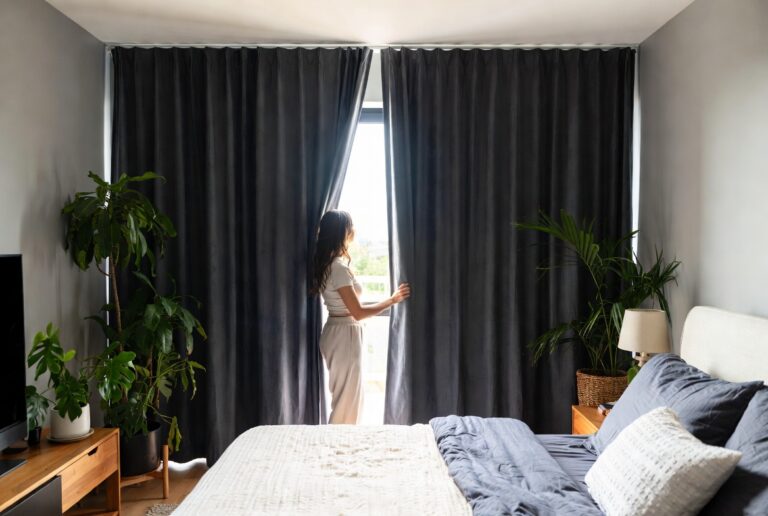
Your living room needs a finishing touch. The sofa does its job, the coffee table holds drinks, but something’s missing. An accent chair solves the problem, it creates conversation areas, provides extra seating, and introduces new shapes into rectangular rooms.
Finding the best accent chairs under $300 that doesn’t look or feel cheap takes work, though. Most budget chairs either sacrifice comfort or fall apart within months. The good ones hide in plain sight among the junk.
Top Picks at a Glance
- Best Overall: COLAMY Modern Wingback Chair – Perfect blend of comfort and contemporary style
- Best for Small Spaces: Karl Home Mid-Century Modern Chair – Compact footprint with full-size comfort
- Best Budget: YODOLLA Leisure Accent Chair – Solid construction at an unbeatable price point
Product Reviews
1. COLAMY Modern Wingback Accent Chair
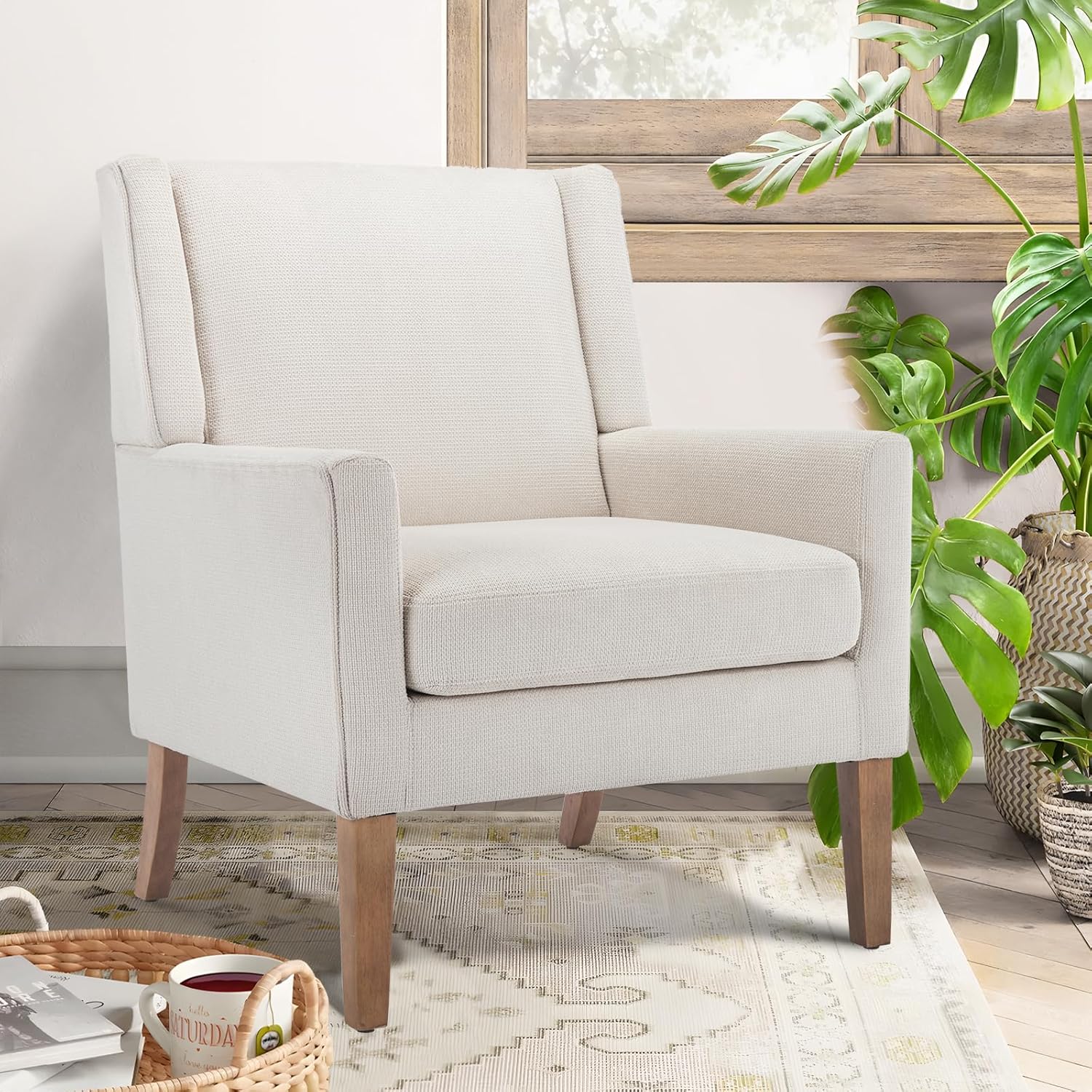
This wingback chair brings traditional silhouette into the present with clean lines and contemporary proportions. The high back provides head and neck support that most accent chairs skip. At 36 inches tall, it works equally well for reading or conversation without making you crane your neck.
The chenille fabric upholstery feels soft without being delicate. It’s the kind of material that holds up to daily use while still looking presentable when guests arrive. The weave hides minor marks and pet hair better than smooth fabrics. Color options in beige, gray, and navy coordinate with most existing decor schemes.
Dimensions at 28.7 inches wide and 28.9 inches deep create a generous seating area without overwhelming smaller rooms. You can actually sit cross-legged in this chair, which separates it from narrower accent chairs where you’re stuck in one position. The seat height measures a standard 18 inches, easy to get in and out of for most adults.
Assembly takes about 15 minutes following included instructions. The legs screw directly into threaded inserts in the chair bottom. No complicated brackets or unclear diagrams. The solid wood frame and legs support up to 300 pounds, making this suitable for most users. The ergonomic design includes padded armrests that actually support your arms rather than just existing for show.
Pros:
- Wingback design provides excellent head and neck support
- Chenille fabric resists showing wear and pet hair
- Generous 28-inch seat width accommodates various positions
- Solid wood frame rated for 300-pound weight capacity
- Quick 15-minute assembly with clear instructions
- Padded armrests offer genuine comfort
Cons:
- Fixed upholstery limits cleaning options to spot treatment
2. Karl Home Mid-Century Modern Accent Chair
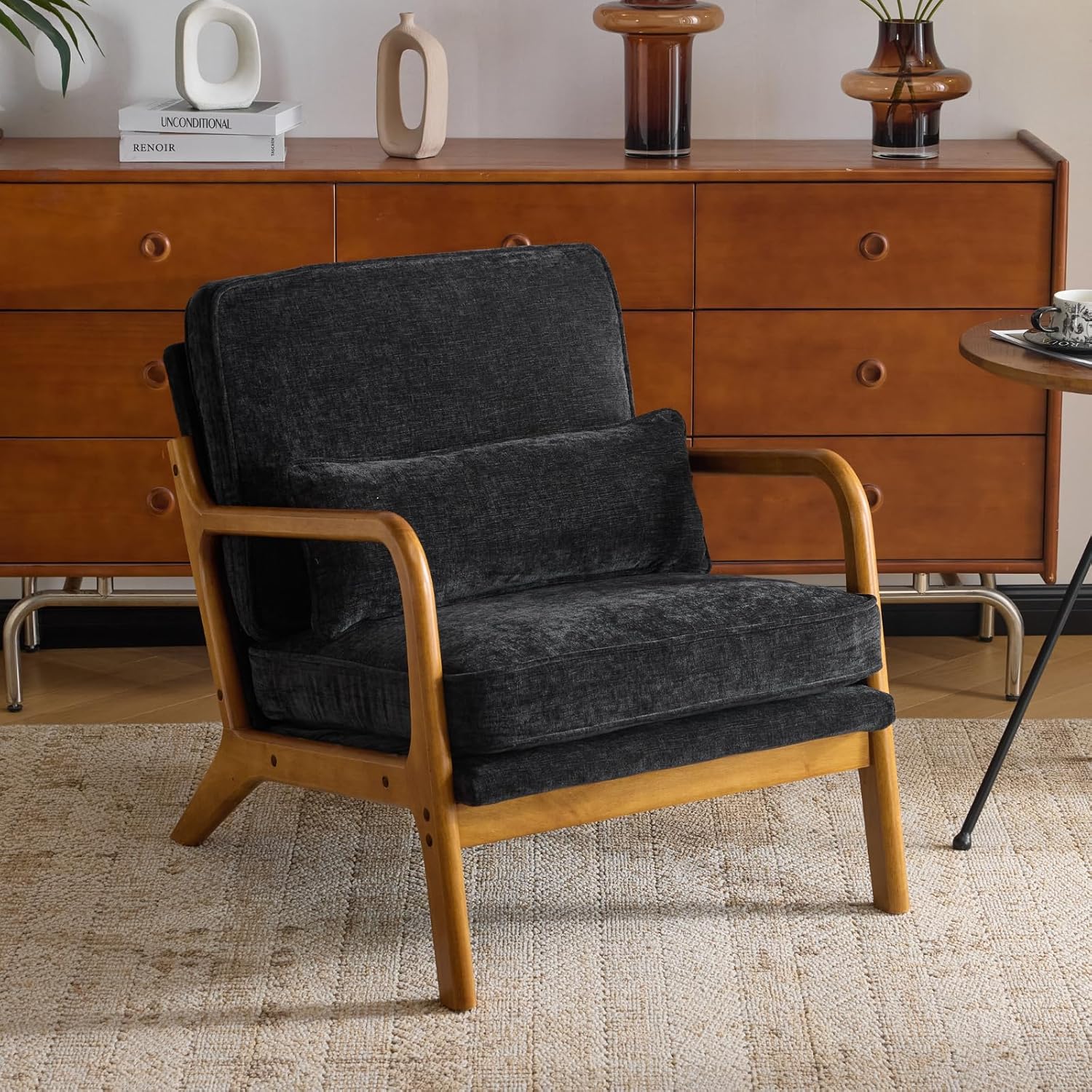
The curved arms and flared legs of this chair capture mid-century modern aesthetics perfectly. It looks like something from a 1960s design magazine but functions for today’s living rooms. The linen fabric in beige creates a neutral backdrop that anchors without dominating the space.
What makes this work is the proportion, it’s a full-size chair that doesn’t read as oversized. The walnut-finished legs add warmth and contrast against light upholstery. These details elevate it beyond basic budget furniture into something that genuinely enhances your decor. The high-density foam cushions maintain shape even after daily use.
The included back pillow provides lumbar support exactly where most people need it. You can remove the pillow when you want a cleaner look, but most users keep it in place for the added comfort. The ergonomic backrest curves to match natural spinal alignment, reducing fatigue during extended sitting.
The FSC-certified solid wood frame speaks to responsible sourcing while providing structural integrity. This isn’t particleboard held together with staples, it’s real wood joined properly. The chair supports up to 330 pounds, exceeding the typical 250-300 pound rating on similarly priced options. Assembly requires connecting four legs and placing the cushion. Total time runs about 10 minutes.
Pros:
- Authentic mid-century design with period-correct proportions
- High-density foam maintains comfortable support
- FSC-certified solid wood frame ensures sustainability
- 330-pound weight capacity exceeds category average
- Removable lumbar pillow provides flexible comfort
- Walnut legs add visual warmth
Cons:
- Linen fabric shows stains more readily than darker options
3. YODOLLA Leisure Accent Chair
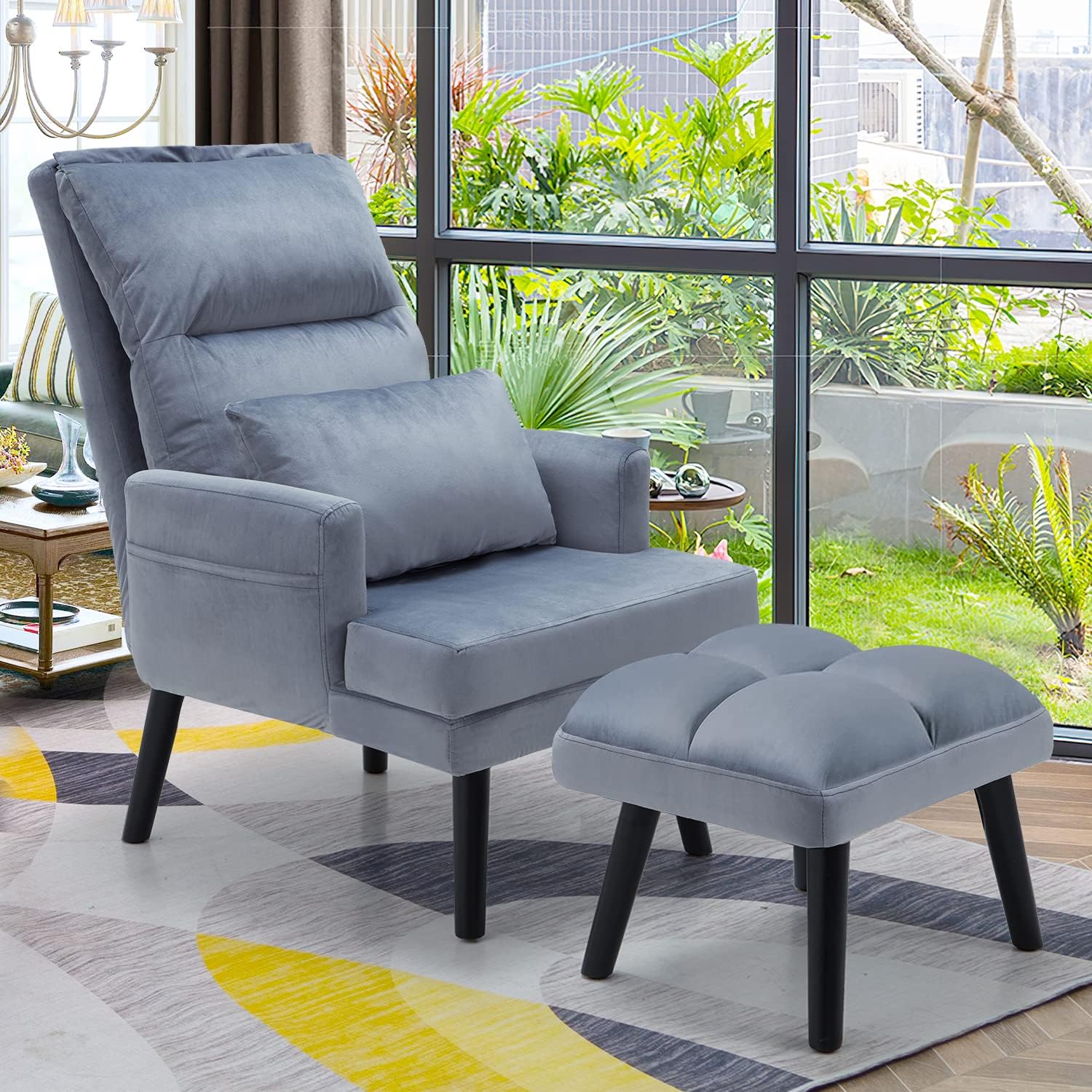
At this price point, you’d expect corners cut somewhere. But the YODOLLA delivers surprising quality through intelligent design choices. The sling-style seat uses durable fabric suspended in a metal frame, distributing weight evenly without requiring thick cushioning. This keeps costs down while maintaining comfort.
The metal frame comes in black or white powder-coated finish. It’s genuinely sturdy, the cross-bracing and welded joints prevent wobbling. You can rock back slightly without feeling like the chair might collapse. Maximum weight capacity reaches 300 pounds, which feels accurate rather than optimistic marketing.
The seat fabric pulls taut across the frame, creating a hammock-like feel that conforms to your body. It’s not plush like cushioned chairs, but it’s comfortable for extended periods. The slightly reclined angle encourages relaxation rather than formal sitting posture. This works wonderfully for reading corners or casual conversation areas.
No assembly required beyond removing packaging. The chair arrives fully constructed and ready to use immediately. This eliminates the risk of assembly errors that plague flat-pack furniture. The compact 26-inch width fits easily into tighter spaces where traditional accent chairs wouldn’t work. The modern industrial aesthetic suits contemporary and transitional spaces.
Pros:
- Fully assembled arrival eliminates setup frustration
- Sling-style design provides unique comfort
- Sturdy metal frame with reliable 300-pound capacity
- Compact footprint suits smaller living rooms
- Modern industrial aesthetic works with multiple decor styles
- Budget-friendly pricing makes multiple chairs affordable
Cons:
- Sling seat offers less back support than traditional cushioning
4. HOMCOM Rocking Accent Chair
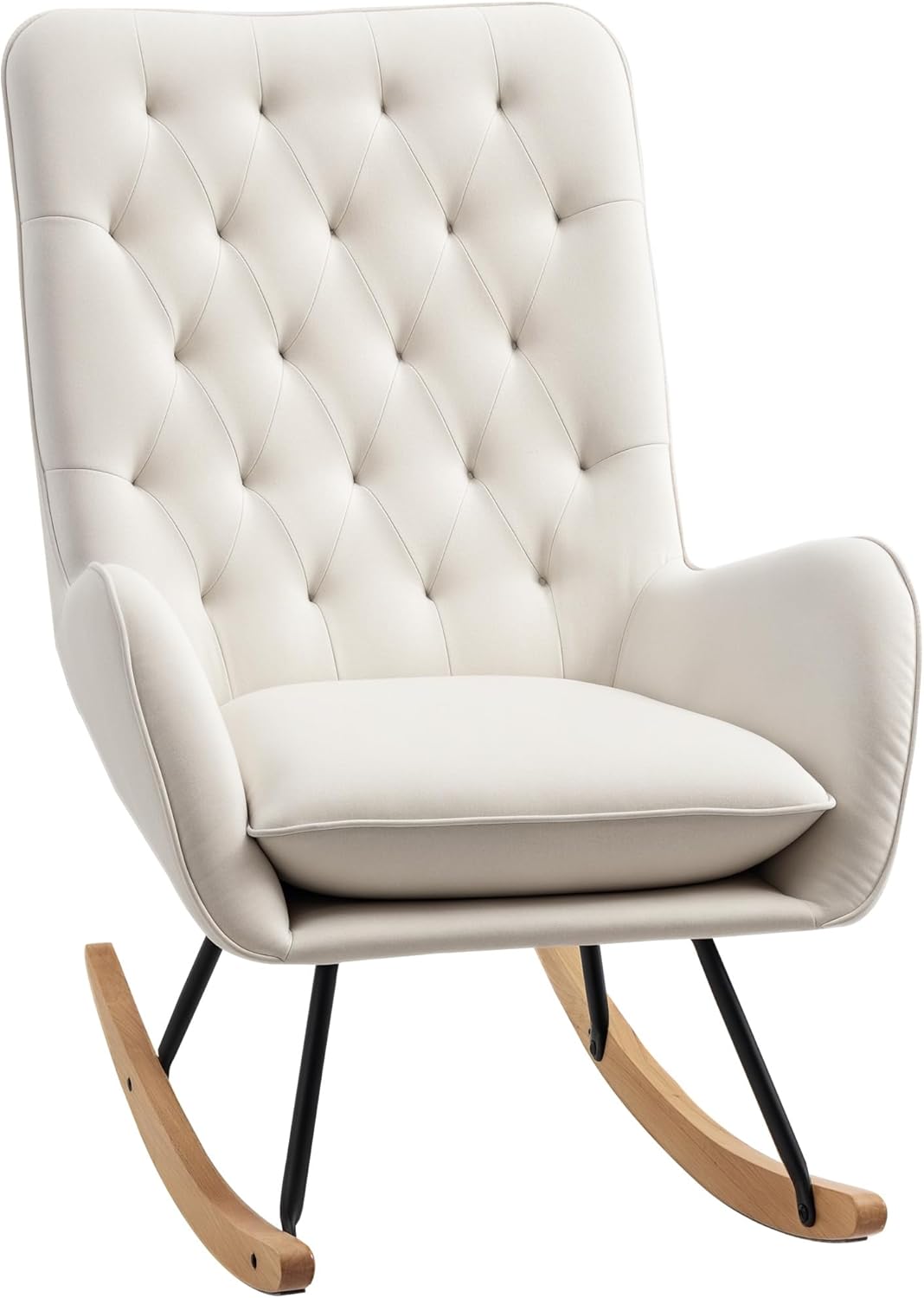
The gentle rocking motion of this chair transforms a standard accent piece into something special. The curved base allows smooth, controlled rocking that soothes without being excessive. You can rock while reading or chatting without feeling like you’re on a playground swing.
The teddy fleece upholstery creates a cozy, touchable surface that invites use. It’s incredibly soft against skin while being durable enough to withstand daily contact. The cream color provides a neutral base, though it may require more frequent cleaning than darker options. The high backrest extends upward to support your head during reclining.
Padded armrests at the perfect height reduce shoulder and arm tension during extended sitting. The armrests wrap slightly forward, creating a subtle cocoon feeling. Solid wood legs in natural finish complement the soft upholstery with organic warmth. The chair measures 27 inches wide, providing adequate seating space without bulk.
Assembly involves attaching the legs and positioning the rocker base. Instructions guide you through the 20-minute process clearly. The chair works equally well in living rooms, nurseries, or reading nooks. The gentle rocking motion helps many people relax or even drift off during afternoon reading sessions.
Pros:
- Rocking motion provides soothing relaxation
- Teddy fleece upholstery feels exceptionally soft
- High backrest supports head during reclining
- Solid wood legs add natural aesthetic warmth
- Versatile use in multiple room types
- Padded armrests reduce arm fatigue
Cons:
- Light-colored fleece requires frequent cleaning
- Rocking base needs adequate clearance space
Best Accent Chairs Under $300 Buying Guide
1. Measure Your Space First
Grab a tape measure before falling in love with any chair. Measure the width of the intended location plus 6-12 inches on each side for walking clearance. An accent chair that technically fits but crowds the space creates awkwardness rather than improving the room.
Consider door widths and stairwell dimensions if the chair needs to navigate through your home. Many chairs arrive partially assembled, but the main body still needs to fit through doorways. Measure the tightest passage point to avoid delivery day surprises.
Account for the chair’s footprint when calculating space. A chair’s width and depth indicate floor space consumption, but don’t forget about the visual space it occupies. Tall wingback chairs command more presence than low-profile slipper chairs of the same width.
2. Evaluate Frame Construction
Solid wood frames provide the best longevity and can handle weight without creaking or wobbling. Look for hardwoods like oak, maple, or rubberwood rather than pine. At the under-$300 price point, you’ll often find a combination of solid wood legs with engineered wood frames, this compromise works fine for light to moderate use.
Metal frames excel in durability and often cost less than wood while supporting similar or greater weight. Powder-coated finishes resist chipping and scratching. Check that metal frames include cross-bracing and corner reinforcements. Welded joints outperform bolted connections for long-term stability.
Engineered wood and particleboard frames work adequately if construction quality is high. Multiple layers with proper joining techniques create acceptable strength. However, these materials degrade faster than solid wood or metal. They’re fine for guest rooms or low-traffic areas but questionable for daily-use living rooms.
3. Test Comfort Before Committing
If possible, sit in the chair before buying. Your body provides better feedback than any product description. Sit normally for at least five minutes, initial impressions fade as pressure points emerge. Rock back, shift positions, cross your legs. The chair should accommodate natural movement.
When in-person testing isn’t possible, check return policies carefully. Many retailers offer 30-day returns specifically so you can test furniture at home. Take advantage of this. A beautiful chair you never sit in wastes money regardless of price.
Consider your typical sitting duration. Chairs for quick conversations need less cushioning than reading chairs where you’ll spend hours. Match the chair’s comfort level to its intended use. Don’t buy a firm, upright chair for a cozy reading nook.
4. Choose Fabrics Wisely
Linen and cotton blends breathe well and suit year-round use but may wrinkle and stain easily. These natural fibers feel good against skin and age gracefully when cared for properly. Expect some fading in direct sunlight, position accordingly or choose darker colors.
Microfiber and polyester blends resist stains and wear while maintaining softness. They’re practical choices for homes with kids or pets where spills happen regularly. Quality synthetic upholstery mimics natural fiber appearance while being easier to clean. Avoid very cheap synthetics that feel plasticky.
Velvet creates luxurious appearance and touchable texture but shows wear patterns and requires careful cleaning. It works beautifully as decorative seating that gets occasional use. For daily-use chairs, velvet demands more maintenance than other options warrant.
5. Understand Weight Capacity Ratings
Manufacturers list maximum weight capacities, but build in safety margins. A 300-pound rated chair handles that weight safely, not barely. That said, regularly maxing out capacity accelerates wear on frames and cushions. Choose chairs rated at least 50 pounds above your actual needs.
Lower weight ratings often indicate weaker frame construction regardless of user weight. A chair rated for only 200 pounds likely uses thin materials and minimal reinforcement. Even lighter users benefit from sturdier construction that won’t develop problems quickly.
Test stability by applying pressure to armrests and back. Quality chairs resist wobbling and creaking even under forceful use. Flimsy construction reveals itself immediately through excessive movement and noise.
6. Factor Assembly Requirements
Tool-free assembly using hand-tightened screws simplifies setup tremendously. Look for chairs where legs attach directly to threaded inserts. This approach works reliably and doesn’t require hunting for Allen wrenches or screwdrivers.
Partially assembled chairs reduce setup complexity while ensuring professional construction of complex components. Manufacturers handle intricate upholstery work and frame joining while leaving simple leg attachment to buyers. This strikes a good balance between shipping efficiency and ease of assembly.
Fully assembled chairs eliminate setup entirely but often cost more due to larger packaging and shipping weight. They guarantee proper construction but may be harder to maneuver through tight spaces. Weigh convenience against cost and practical considerations.
Styling Tips for Accent Chairs
Create conversation areas by angling two accent chairs toward each other with a small table between them. This arrangement encourages interaction and breaks up the linear “everyone facing the TV” setup. Leave 3-4 feet between chairs for comfortable conversation distance.
Use accent chairs to fill awkward corners that are too small for larger furniture. Add a floor lamp and small side table to create intimate reading nooks. This transforms dead space into functional, inviting areas people actually use.
Pair accent chairs with contrasting colors or textures to create visual interest. A velvet chair adds luxury to a room full of linen and cotton. A leather chair provides masculine contrast in soft, feminine spaces. Use the accent chair to introduce elements missing from your existing palette.
Float accent chairs away from walls to make rooms feel larger and more intentional. Position them to define zones within open-concept spaces. An accent chair placed strategically can separate living areas from dining spaces without walls.
Color Selection Strategies
Neutral accent chairs in beige, gray, or cream blend seamlessly while allowing flexibility in pillow and throw selection. You can change room colors through accessories without replacing expensive furniture. Neutrals work especially well in small spaces where bold colors might overwhelm.
Bold accent chairs in jewel tones or saturated hues create instant focal points. Use them to introduce color that’s missing from your palette or to complement existing bold elements. Ensure at least one other item in the room shares the accent color to create cohesion.
Patterned chairs add personality but require careful coordination. Ensure patterns complement rather than clash with existing prints on pillows or rugs. Keep patterns contained to one or two elements in a room, too many competing patterns create visual chaos.
Frequently Asked Questions
1. What’s a reasonable budget for a quality accent chair?
Quality accent chairs start around $200-300, balancing decent construction with affordability. Under $200, compromises in frame quality or cushioning become necessary. Above $300, you’re paying for premium materials, designer names, or specialized features. The $250-300 range offers the best value for most buyers seeking durable, comfortable seating.
2. How long should an accent chair last?
Well-constructed accent chairs with moderate use should last 7-10 years before needing replacement. Chairs with solid wood frames and high-density foam outlast those using engineered wood and cheap cushioning. Heavy daily use reduces lifespan to 5-7 years. Proper care including regular tightening of hardware and prompt cleaning of spills extends longevity.
3. Should accent chairs match the sofa?
No, accent chairs should complement rather than match sofas. Matching creates a furniture showroom feel lacking personality. Choose chairs that share one element with the sofa, similar color family, matching wood tones, or complementary style, while differing in other aspects. This creates cohesion without monotony.
4. What’s the difference between an accent chair and an armchair?
Accent chairs prioritize style and visual impact, serving decorative and functional purposes. They’re typically smaller and more ornate than standard seating. Armchairs emphasize comfort and everyday use, with larger proportions and plush cushioning. Many chairs blur these categories, functioning as both accent pieces and comfortable seating.
5. Can accent chairs work in bedrooms?
Yes, accent chairs work beautifully in bedrooms as reading chairs, dressing areas, or decorative elements. Choose chairs proportional to bedroom size; petite slipper chairs for small rooms, larger wingbacks for spacious master suites. Position near windows for reading light or in corners to create intimate spaces within the bedroom.
6. How do I clean different accent chair fabrics?
Vacuum upholstered chairs weekly to prevent dirt buildup. Spot clean spills immediately with mild soap and water, blotting rather than rubbing. For deeper cleaning, microfiber and polyester tolerate fabric cleaner sprays. Linen and cotton may require professional cleaning. Leather needs specialized leather cleaner. Always test cleaning products on hidden areas first.
7. What chair style works best in small spaces?
Slipper chairs and armless designs minimize visual bulk while providing seating. Choose chairs with exposed legs rather than skirted bases, visible floor underneath creates airiness. Light-colored upholstery prevents chairs from visually dominating compact rooms. Avoid oversized wingbacks and club chairs that overwhelm small spaces.
8. Should accent chairs have arms?
Armchairs provide support and comfort for extended sitting, making them ideal for reading or conversation. Armless chairs offer easier entry and exit, work better at dining tables, and consume less visual space. Choose based on primary use, arms for leisure seating, armless for flexibility and space efficiency.
9. How high should the back of an accent chair be?
Standard accent chair backs measure 32-36 inches from the floor, providing adequate support for most users. Wingbacks and high-back designs extending to 38-40 inches offer head and neck support for reading or relaxing. Low-profile chairs at 28-30 inches create modern aesthetics but less support. Match back height to intended use.
10. Can you put two different accent chairs in one room?
Absolutely. Mixing different accent chair styles adds visual interest and personality. Ensure chairs share at least one unifying element (color family, material type, or design era) to maintain cohesion. Symmetrical placement of matching pairs creates formality, while mixed chairs in asymmetrical arrangements feel more relaxed and collected.
Conclusion
The best accent chair under $300 combines solid construction, comfortable seating, and style that enhances your space. Whether you choose modern wingbacks for traditional rooms or mid-century designs for contemporary spaces, quality options exist at every price point within this budget.
Measure your space, understand your needs, and read reviews from actual users before committing. The chairs we’ve covered offer proven reliability and style without breaking your budget. Your living room deserves that finishing touch that makes it feel complete. Choose wisely and you’ll enjoy both the function and beauty for years to come.