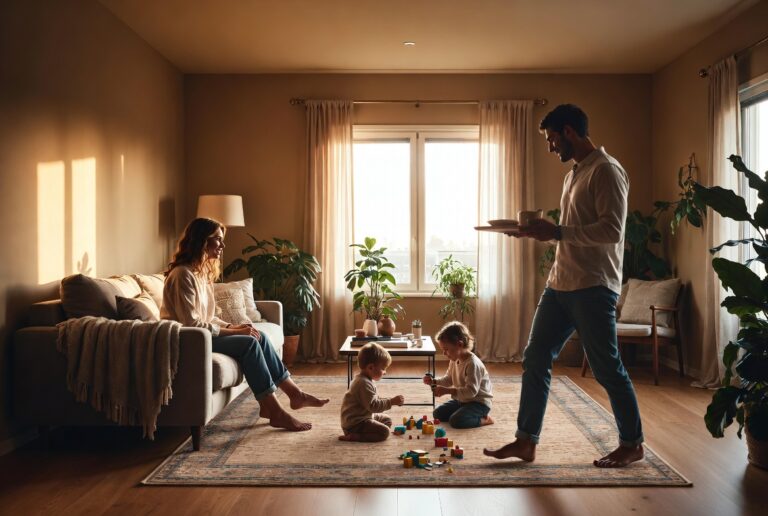
Side tables are the unsung heroes of comfortable living rooms. They hold your coffee, lamp, phone, and remote exactly where you need them. Yet they’re often afterthoughts, mismatched or missing entirely.
The right side table balances function with style at the perfect height for your sofa. It should be sturdy enough for daily use while coordinating with your decor.
Let me show you the best side tables for sofa that actually work instead of just taking up space.
Top Side Tables for Every Style
- Best Overall: Mdesign Modern Side Table
- Best Storage Option: Nathan James Hugo Side Table
- Best Minimalist: Vasagle Industrial End Table
Product Reviews
1. Mdesign Modern Side Table
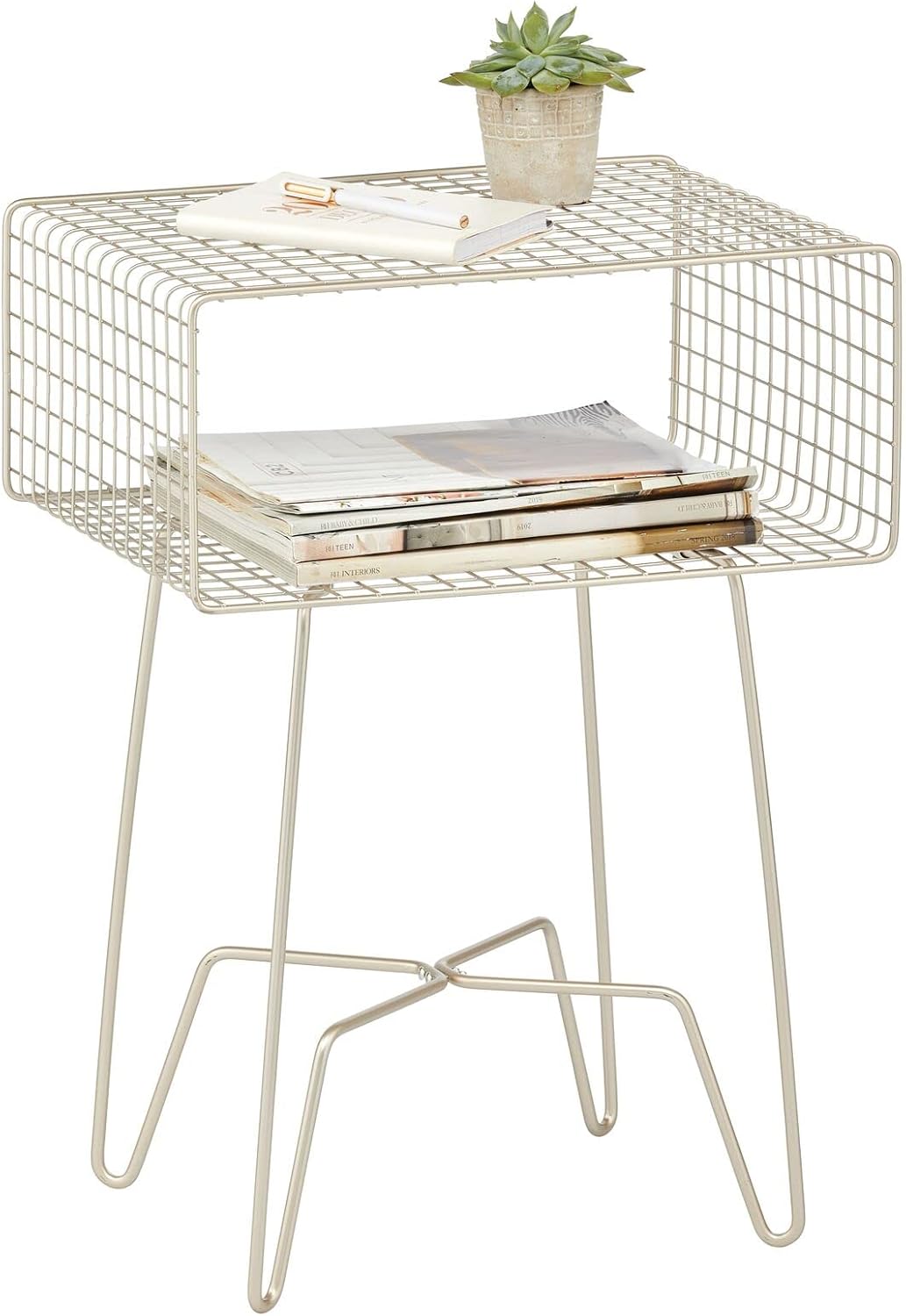
This clean-lined side table combines a solid wood top with sleek metal legs. The warm wood grain contrasts beautifully with matte black metal, creating visual interest without complexity. The simple design works in modern, transitional, or industrial spaces.
The tabletop provides ample surface for a table lamp, drink, and a book or two. The lower shelf adds valuable storage for remotes, magazines, or decorative objects. The construction is solid and wobble-free even on slightly uneven floors.
Assembly takes about 15 minutes with clear instructions and all necessary hardware included. The metal legs have adjustable feet to accommodate minor floor variations. The height works perfectly next to standard sofas.
Pros:
- Wood and metal combination suits multiple styles
- Lower shelf provides extra storage
- Sturdy, wobble-free construction
- Adjustable feet for level placement
- Easy 15-minute assembly
- Perfect height for sofa use
- Warm wood with modern metal contrast
Cons:
- Open design doesn’t hide clutter
2. Nathan James Hugo Side Table with Drawer
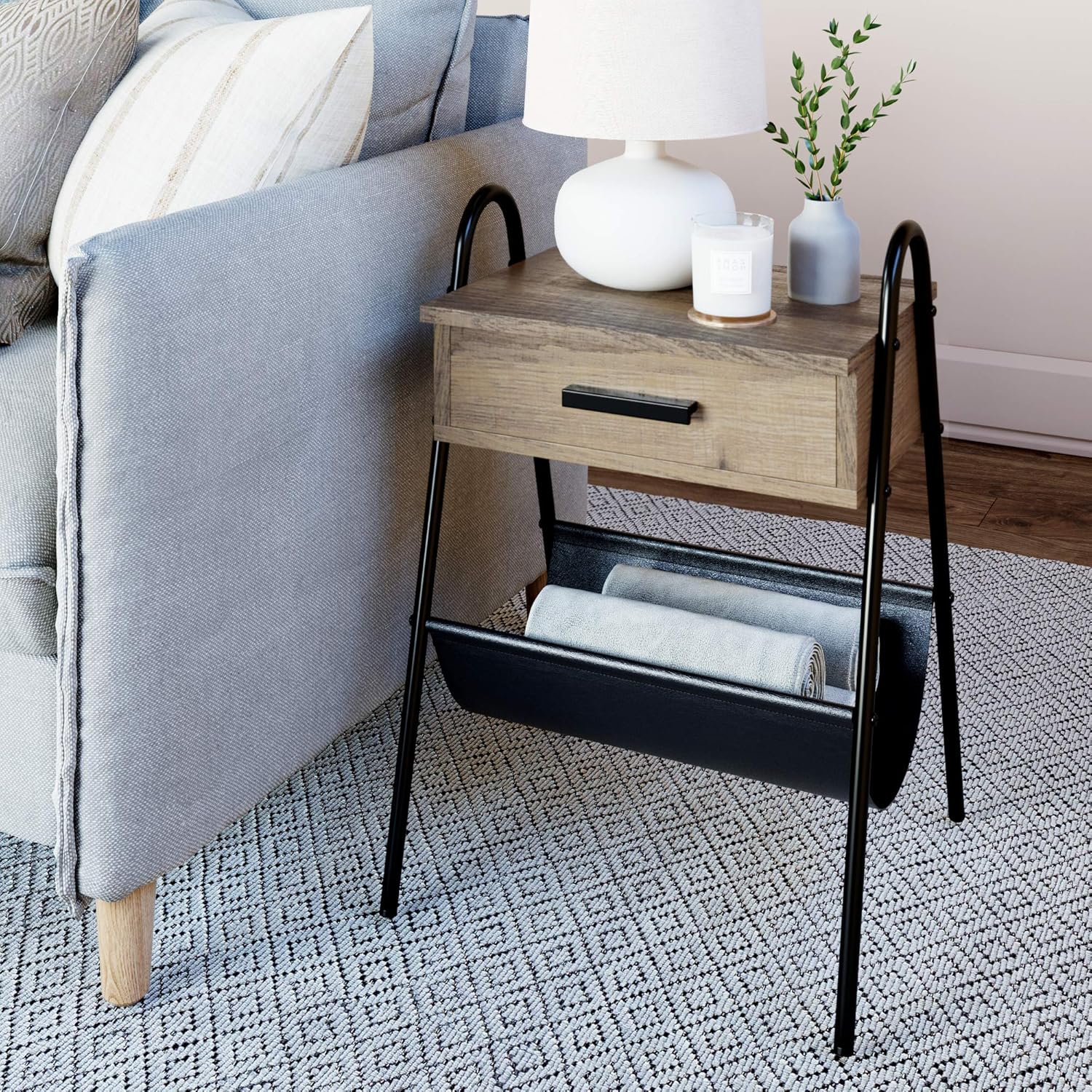
This side table includes a real drawer for hiding remotes, coasters, and other living room essentials. The drawer glides smoothly on metal runners. The drawer front features a sleek handle that complements the modern design.
The tabletop is perfect for lamps and drinks while the drawer keeps clutter contained. The lower shelf provides display space for books or decor. The three-tier design maximizes functionality without overwhelming your space.
The construction combines engineered wood with a rich finish that resists scratches and stains. The metal frame adds stability and industrial style. This table handles daily use beautifully.
Pros:
- Real drawer hides clutter
- Smooth metal gliding drawer
- Three tiers maximize storage
- Scratch and stain-resistant finish
- Stable metal frame
- Modern industrial style
- Handles daily use well
Cons:
- Slightly larger footprint than minimal tables
3. Vasagle Industrial End Table
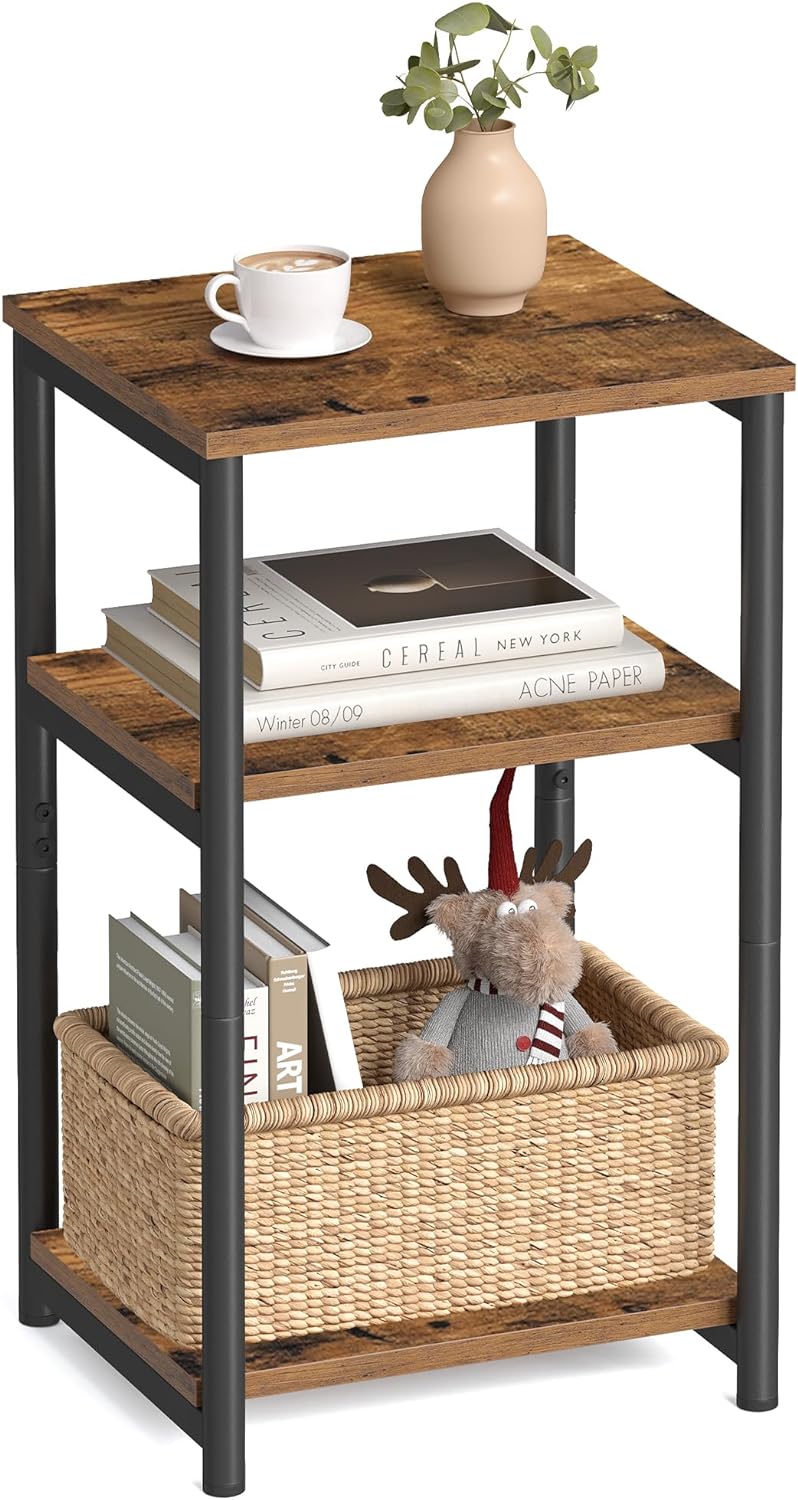
This compact side table packs maximum function into minimal space. The industrial design features mesh metal shelves with a wood-look top. The small footprint fits easily beside sofas in tight living rooms.
Two open shelves provide storage without making the table feel bulky. The mesh design keeps things from looking heavy while offering see-through storage. The X-shaped side supports add architectural interest.
Assembly is straightforward with numbered parts and clear instructions. The table is remarkably sturdy despite its compact size. The industrial aesthetic works beautifully in lofts, modern spaces, or eclectic rooms.
Pros:
- Compact footprint for tight spaces
- Two mesh shelves provide storage
- X-shaped supports add style
- Lightweight yet sturdy
- Industrial aesthetic
- Simple assembly
- See-through design feels open
Cons:
- Open shelves require neat styling
4. Yaheetech 3-Tier End Table
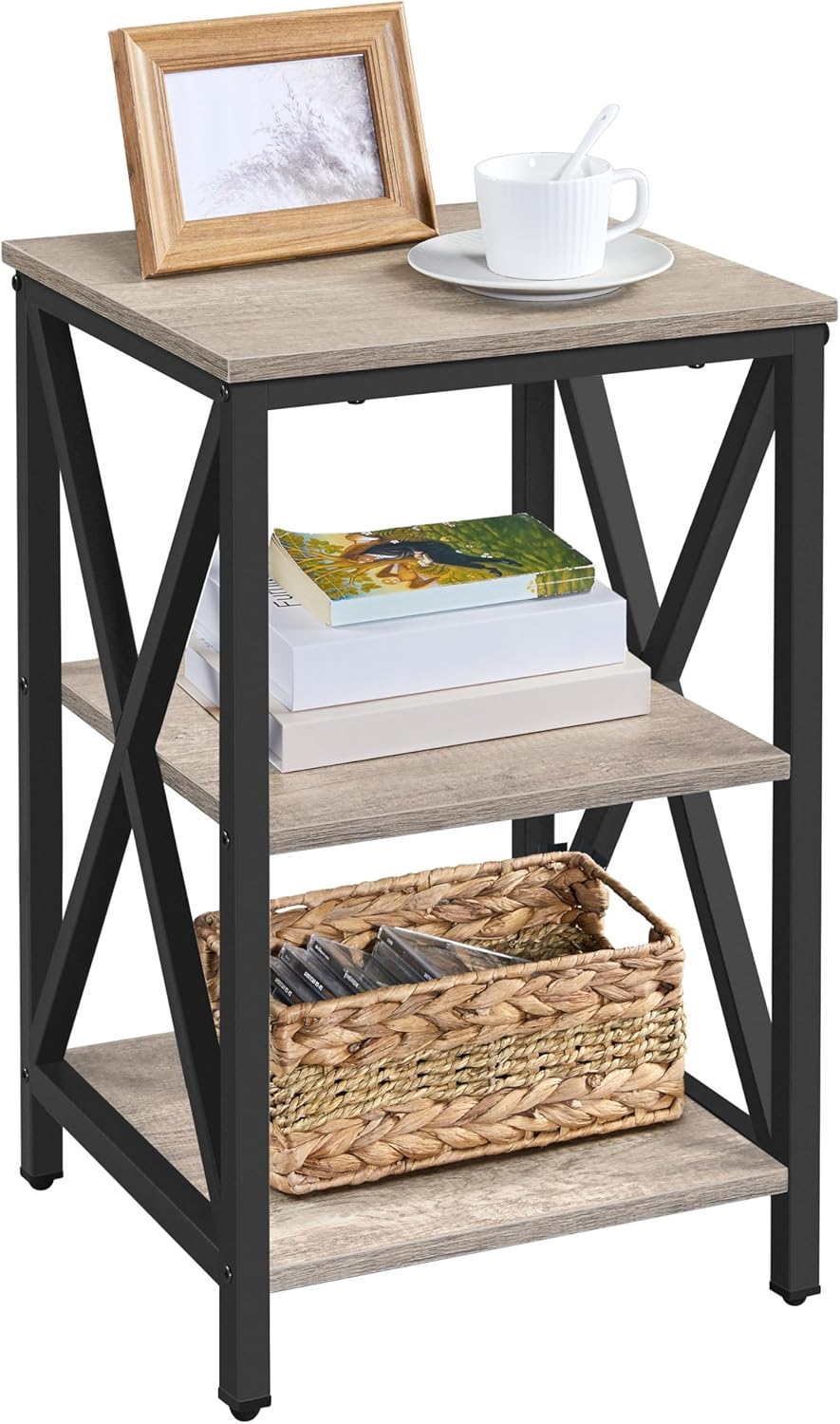
This budget-friendly side table delivers function and style without breaking the bank. The three-tier design provides plenty of storage and display space. The simple construction uses quality engineered wood with a nice finish.
The height is ideal for sofa side table use. All three shelves are spacious enough for practical storage. The neutral finish coordinates with various decor styles from modern to farmhouse.
Despite the affordable price, the table feels sturdy and well-made. Assembly takes about 20 minutes. The legs have protective pads that prevent floor scratching.
Pros:
- Budget-friendly pricing
- Three tiers provide ample storage
- Ideal height for sofas
- Neutral finish suits multiple styles
- Sturdy despite low cost
- Floor-protective leg pads
- Quick assembly
Cons:
- Basic design lacks unique character
5. Hoobro Side Table with Charging Station
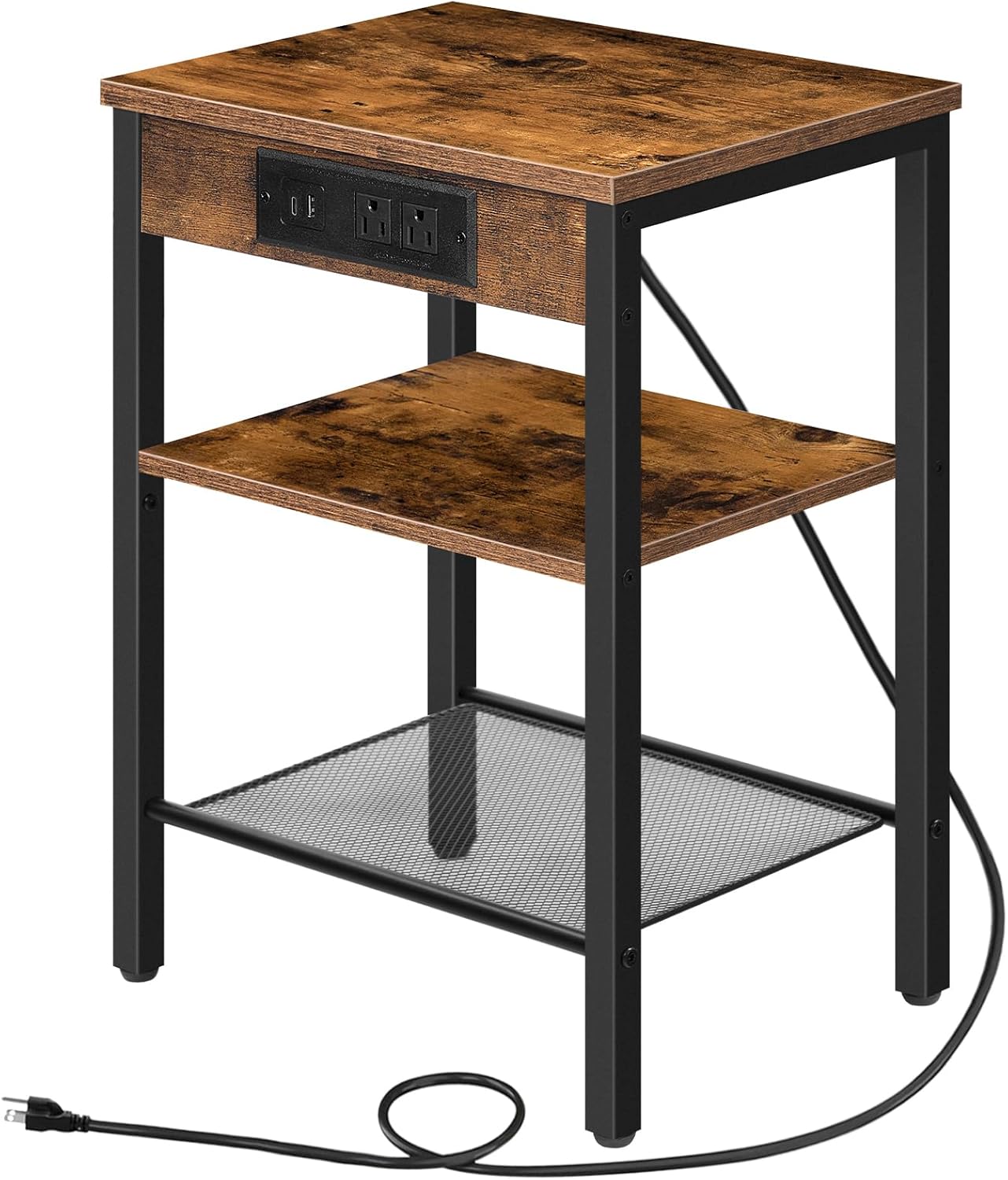
This innovative side table includes built-in USB ports and outlets for charging devices. The modern convenience doesn’t sacrifice style with its industrial wood and metal design. No more searching for chargers or outlets.
The charging station features two outlets and two USB ports tucked neatly at the back. The mesh shelf below provides storage while the adjustable feet ensure stability. The compact size fits beside sofas perfectly.
The combination of function and technology makes this table incredibly practical. Charge phones and tablets right at your seat. The industrial aesthetic looks current and coordinates with modern furniture.
Pros:
- Built-in charging station with outlets and USB
- Industrial wood and metal design
- Compact footprint
- Mesh storage shelf
- Adjustable feet for stability
- Modern convenience meets style
- Perfect for device charging
Cons:
- Requires proximity to wall outlet
6. Alaterre Furniture Brookside End Table
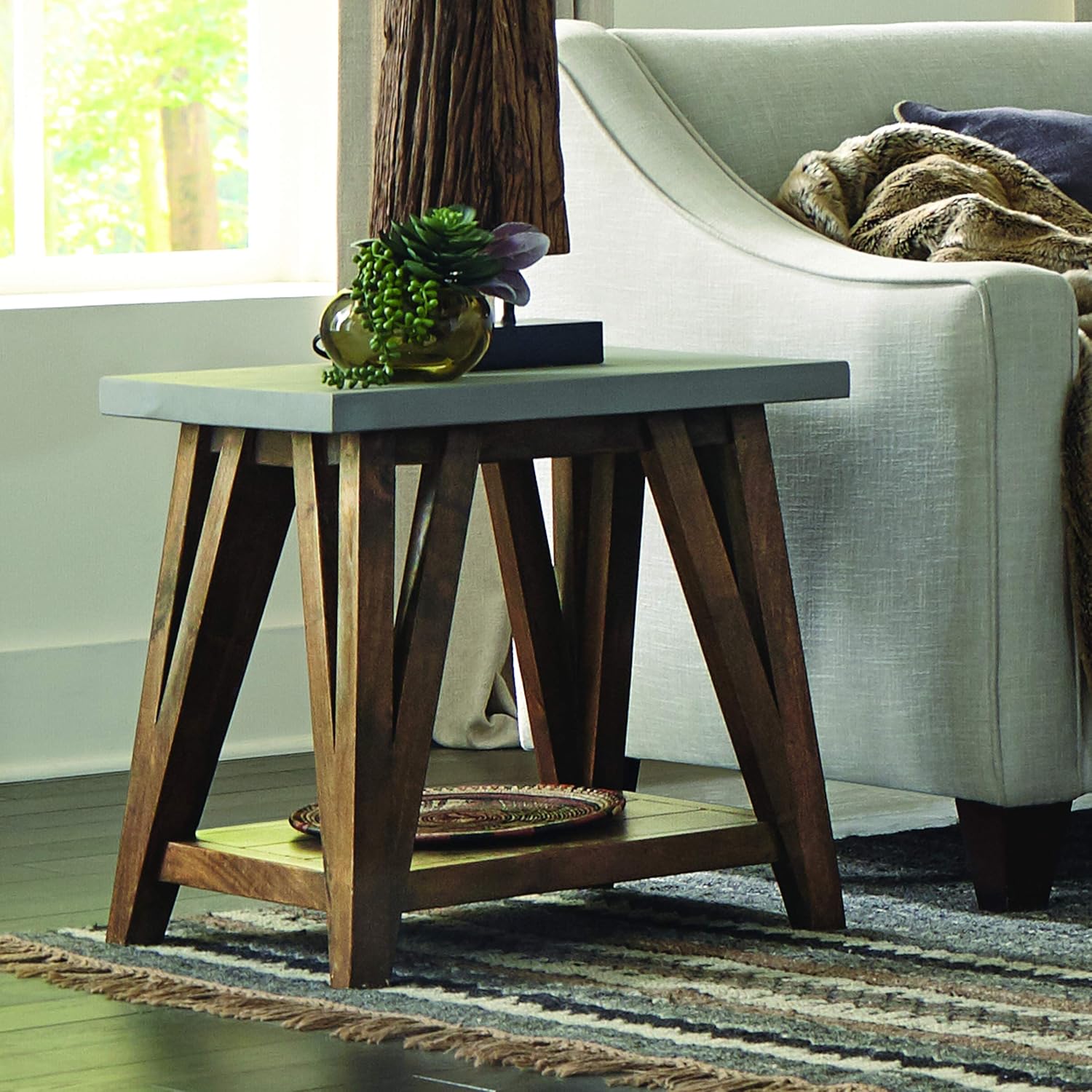
This solid wood end table brings traditional elegance to living rooms. Real wood construction with rich stain options creates warmth and character. The drawer provides hidden storage while the lower shelf displays decorative items.
The craftsmanship quality shows in smooth drawer glides and sturdy construction. This table will last for years with minimal maintenance. The classic design never goes out of style.
The weight and substance of real wood make this table feel premium. It coordinates beautifully with traditional, transitional, or farmhouse decor. The rich finish adds depth to living room arrangements.
Pros:
- Solid wood construction
- Rich finish options available
- Smooth-gliding drawer
- Classic design with longevity
- Sturdy and substantial
- Works with traditional decor
- Quality craftsmanship
Cons:
- Higher price reflects real wood construction
7. Winsome Wood Accent Table
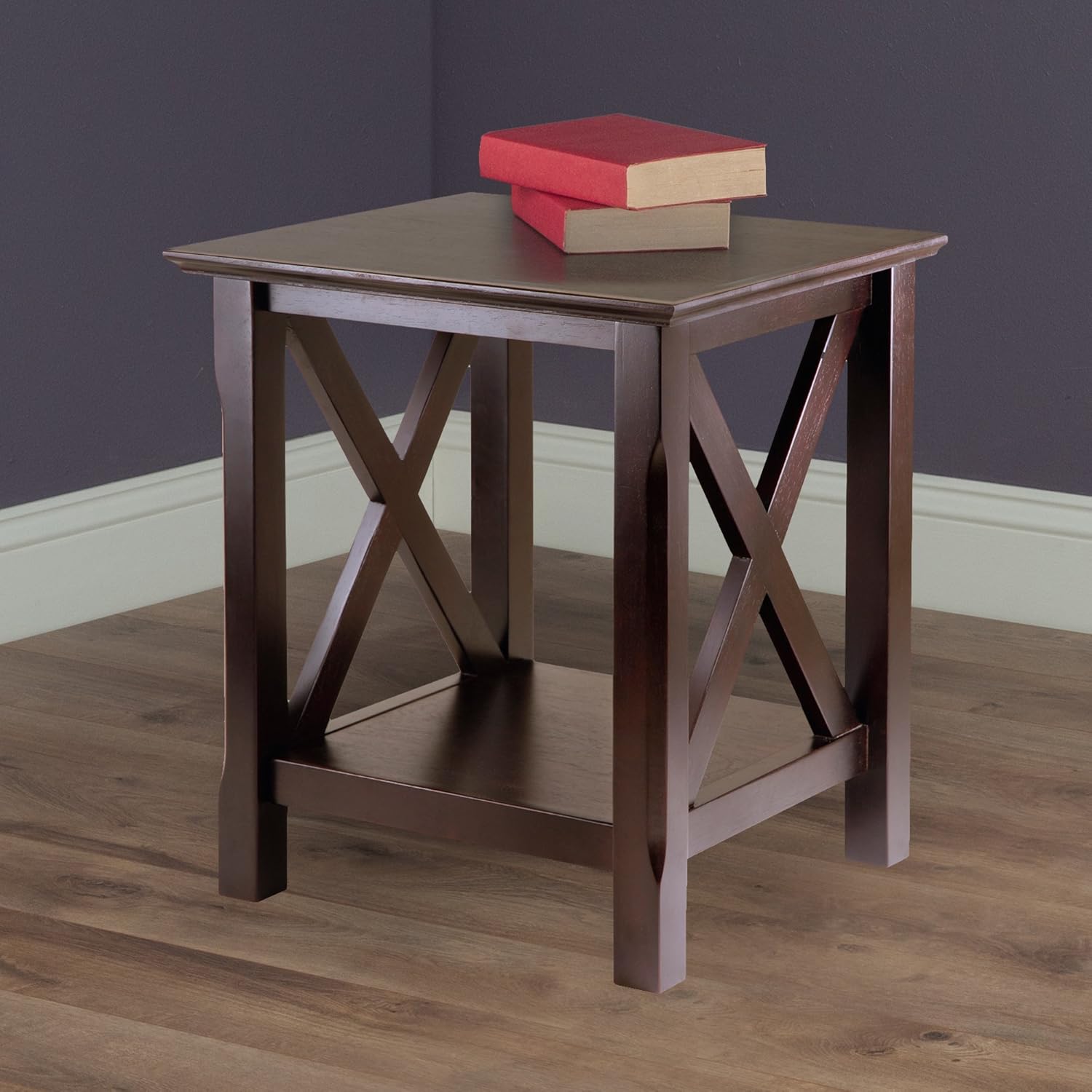
This simple side table delivers clean lines and solid construction at a reasonable price. The drawer provides hidden storage while the open shelf below offers display space. The compact square shape fits beside sofas without overwhelming.
The natural wood finish brings warmth to any living room. The simple styling works with virtually any decor from modern to cottage. Assembly is minimal and the table arrives mostly put together.
The drawer is perfect for remotes, coasters, and small items you want out of sight. The lower shelf holds a few books or decorative objects. This table handles daily use reliably.
Pros:
- Clean, simple design
- Drawer for hidden storage
- Natural wood finish adds warmth
- Minimal assembly required
- Compact square footprint
- Reasonable pricing
- Versatile styling
Cons:
- Simple design may feel too basic for some
Buying Guide for the Best Side Tables for Sofa
1. Height Considerations for Sofa Pairing
Side table height should match or sit slightly below your sofa’s arm height. This creates comfortable reach for drinks and items without awkward stretching. Measure your sofa arm before shopping.
Standard sofa arms sit around 24-26 inches high. Most side tables range from 22-26 inches, which works for typical sofas. If your sofa is unusually high or low, you’ll need to search specifically for appropriate heights.
Tables significantly lower than sofa arms create awkward gaps and uncomfortable reaching. Tables much higher than arms block sight lines and feel mismatched. The visual flow should feel balanced and intentional.
2. Surface Area and Functionality
Consider what you’ll actually place on your side table daily. A table lamp requires significant stable surface area. Adding a drink, phone, and remote means you need more space than you think.
Minimum tabletop dimensions of 15×15 inches provide basic functionality. Larger surfaces of 18×18 inches or more offer comfortable space without crowding. Rectangular tables provide more surface area in narrow spaces.
Think about your habits honestly. If you always have multiple items on your side table, don’t buy a tiny minimalist option that won’t hold everything. Function should drive size decisions as much as aesthetics.
3. Storage Needs and Clutter Control
Open shelves provide storage but require styled, organized displays. Everything shows, which can look great or messy depending on your habits. Drawers hide clutter completely for cleaner appearances.
Consider what you need to store near your sofa. Remotes, coasters, chargers, and reading materials accumulate quickly. Hidden storage makes containing this clutter easier. Open storage works if you’re disciplined about decluttering.
Multiple tiers or shelves maximize storage in compact footprints. Each level serves different purposes from display to hidden storage. Think about your actual storage needs rather than just buying what looks pretty.
4. Material Durability and Maintenance
Wood side tables range from solid hardwood to engineered wood products. Solid wood lasts longer and develops patina over time but costs more. Engineered wood offers affordability and resistance to warping.
Metal tables bring industrial style and serious durability. They resist water rings and damage but can feel cold. Metal and wood combinations balance warmth with durability beautifully.
Glass tops look sleek and modern but show fingerprints and water spots constantly. They require frequent cleaning for good appearances. Consider your willingness to maintain different materials before committing.
5. Style Compatibility with Existing Furniture
Side tables should complement your sofa and living room style without matching exactly. Contrast in materials adds interest. A wood side table beside a fabric sofa creates nice textural variety.
Modern sofas pair well with clean-lined tables in metal, glass, or simple wood. Traditional sofas suit carved wood tables with more ornate details. The style relationship should feel intentional rather than random.
Color coordination matters too. Dark wood tables ground light-colored sofas. Light tables brighten spaces with dark furniture. Matching metal finishes across hardware creates cohesion throughout the room.
6. Footprint and Space Planning
Measure the space beside your sofa before shopping. Account for walkway clearance and door swings. A beautiful table that blocks traffic flow becomes a constant annoyance.
Round or oval tables work well in tight spaces because they lack sharp corners. Square tables fit neatly against walls. Rectangular tables maximize surface area in narrow spots.
Consider the table’s visual weight in your space. Delicate tables disappear beside substantial sofas. Bulky tables overwhelm small rooms. The proportional relationship affects how harmonious your living room feels.
Styling Your Side Table
Start with the essentials: lighting if needed, then practical items like coasters. Add decorative elements only after function is addressed. A beautiful lamp provides light and serves as decor simultaneously.
Layer heights for visual interest. Stack books to create elevation for small objects. Vary heights between lamp, plant, and accessories. This creates dimension rather than everything sitting flat.
Follow the rule of odd numbers for decorative groupings. Three items of varying heights look more interesting than two or four. Leave some empty space so the table doesn’t feel cluttered.
Incorporate personal items that make the space feel lived-in. A photo frame, favorite candle, or small plant adds personality. Your side table should reflect your life, not look like a catalog photo.
Conclusion
The best side tables for sofa makes your living room more pulled together. Whether you need storage, charging capability, or simple surface space, choosing the appropriate table enhances daily living.
Measure your sofa height carefully and choose tables that coordinate visually while meeting practical needs. Don’t sacrifice function for style or vice versa. The best side table does both beautifully for years of comfortable use.
Frequently Asked Questions on the Best Side Tables for Sofa
1. What’s the ideal height for a sofa side table?
Side tables should sit at or slightly below your sofa arm height for comfortable reach. Measure your sofa arm and look for tables within 2 inches of that height. Most sofas have arms around 24-26 inches, making tables in the 22-26 inch range ideal.
Tables much lower than sofa arms create awkward reaching and weird gaps. Tables significantly higher block views and feel visually unbalanced. The goal is seamless integration where reaching for items feels natural and effortless.
2. Should side tables match on both ends of the sofa?
Matching side tables create symmetry and traditional formality. Mismatched tables add visual interest and eclectic style. Either approach works depending on your aesthetic preference and room style.
If using mismatched tables, maintain some consistency through shared elements like material, color, or height. Completely random tables look accidental rather than intentional. Coordinating finishes or styles creates cohesive asymmetry that feels designed.
3. How much space should be between sofa and side table?
Leave 3-6 inches between your sofa and side table for comfortable access. This gap allows you to reach items easily without tables touching the sofa. Too much space creates awkward visual separation.
The gap should be proportional to your room size. Larger rooms can handle slightly wider spacing. Tiny spaces might need tables closer to sofas. The arrangement should feel intentional rather than random.
4. Can I use a side table as a plant stand?
Absolutely, side tables work wonderfully for displaying plants. Choose tables with surfaces large enough for plant pots and drainage saucers. Consider weight capacity since plants with soil can be heavy.
Lower shelves provide additional plant display space for cascading varieties or smaller pots. Just ensure you still have surface area for functional items like drinks if you need that capability. Balance decorative and practical uses.
5. What size side table works best for sectional sofas?
Sectional sofas often need multiple side tables at different points. Choose heights that match the sectional’s arm height just like with regular sofas. Corner sections might accommodate larger tables while end pieces need compact options.
Consider traffic flow around sectionals carefully. Tables should provide function without blocking natural pathways around seating. Sometimes smaller tables at multiple points work better than one large table.
6. Are C-shaped side tables worth buying?
C-shaped tables slide under sofas, bringing surfaces closer to your seat. They’re brilliant for small spaces or when you want surfaces that tuck away neatly. The design works particularly well for laptop use from the sofa.
The downside is limited surface area compared to traditional tables. C-tables work best as supplemental surfaces rather than primary side tables. They’re perfect for tight spaces where regular tables don’t fit.
7. How do I protect side tables from water rings?
Use coasters religiously to prevent water rings on wood surfaces. For extra protection, apply furniture wax or polish periodically to seal the wood. Glass tops resist water rings but show fingerprints.
Treat water rings immediately if they occur. Try mayonnaise or toothpaste rubbed gently on the ring, or use an iron on low heat over a cloth. Prevention is easier than repair, so establish the coaster habit.