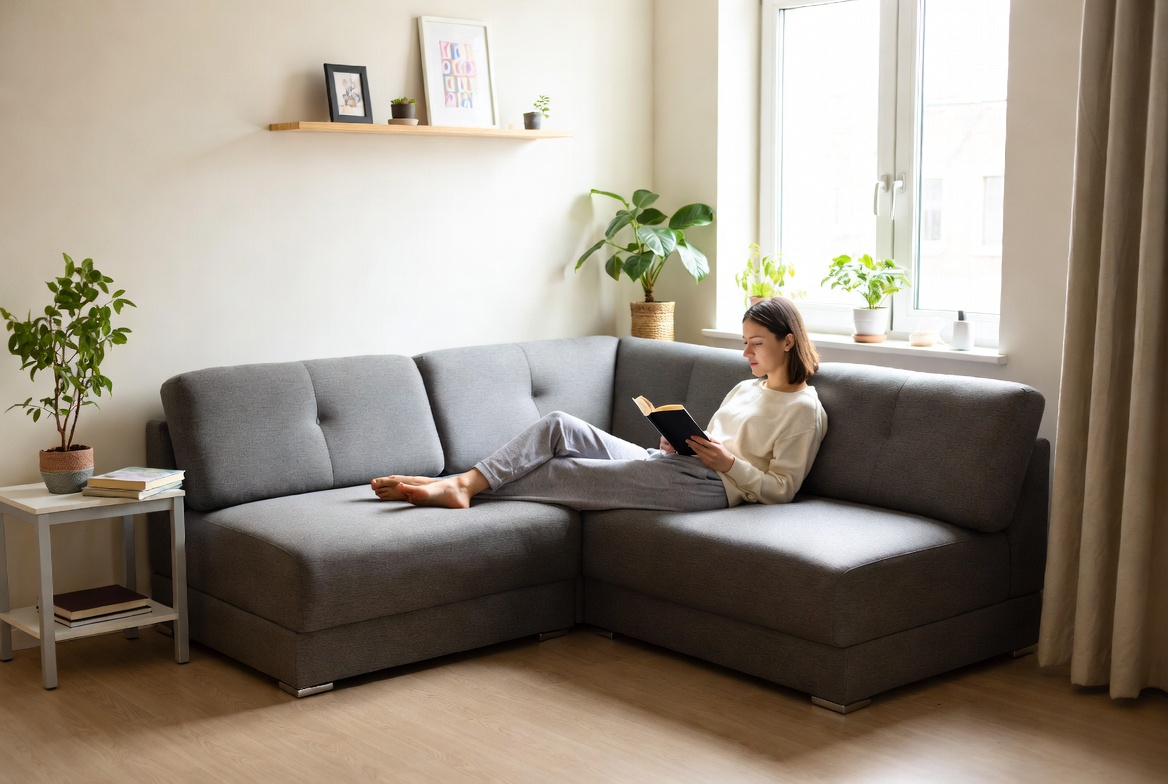
Your living room doesn’t have to feel cramped just because it’s on the smaller side. Finding the best sectional sofas for small living room spaces can actually make your space feel bigger while giving you more seating than a traditional sofa ever could. The key is knowing what to look for and which models actually deliver on their promises.
We’ve done the legwork for you, testing and researching sectionals that truly work in tight quarters. What you’ll find here are sofas that don’t just fit through your door, they transform how you use your space.
Top Picks at a Glance
- Best Overall: HONBAY Convertible Sectional Sofa – Unbeatable combination of space efficiency and comfort
- Best Budget Option: Shintenchi Convertible Sectional – Quality construction at an accessible price point
- Best for Versatility: JAMFLY Convertible L-Shaped Sectional – Reversible ottoman adapts to any room layout
Product Reviews: Best Sectional Sofas for Small Living Rooms
1. HONBAY Convertible Sectional Sofa
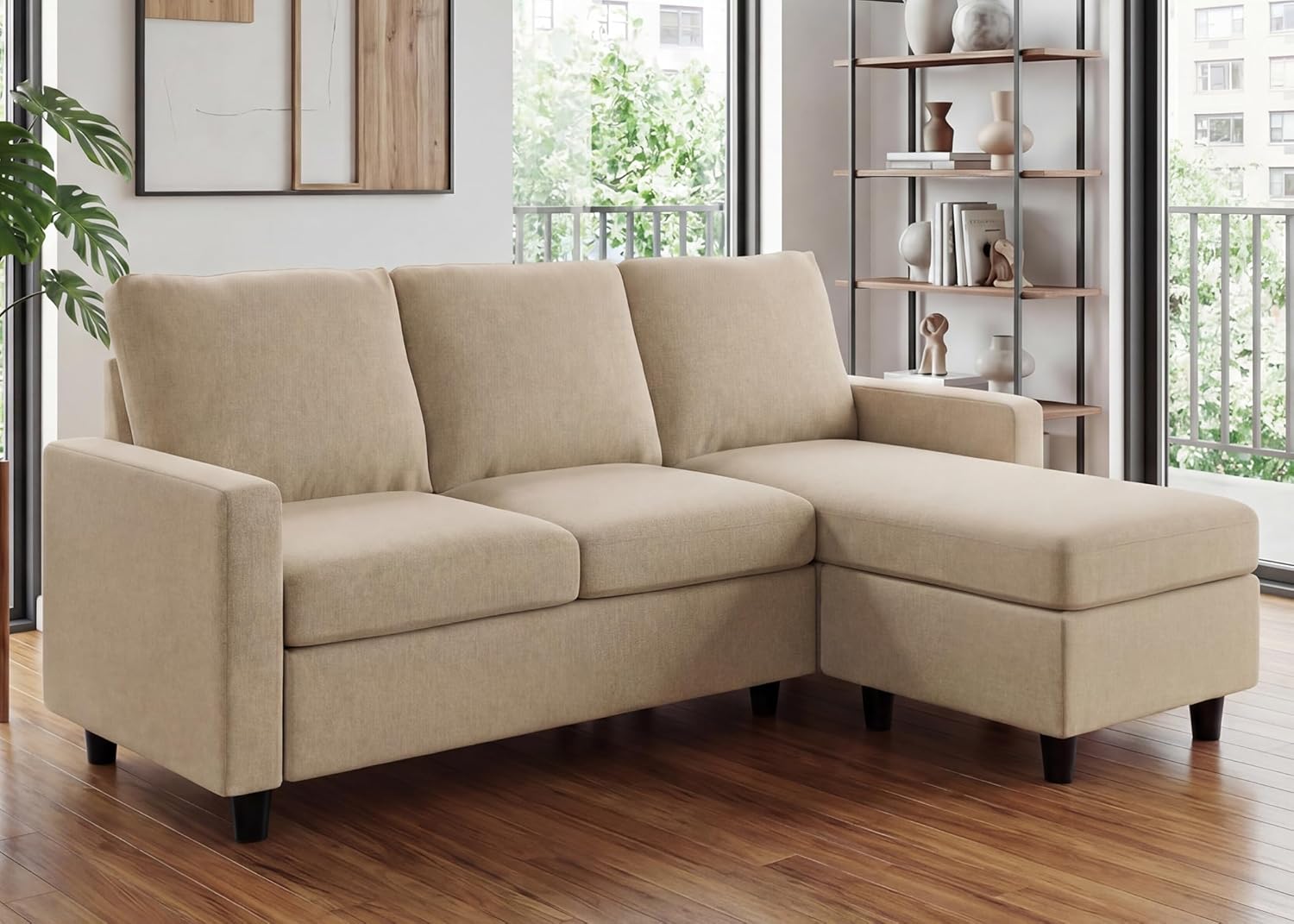
This L-shaped sectional has earned its reputation as a go-to choice for apartment dwellers. At 78.5 inches long, it packs three comfortable seats into a footprint that won’t overwhelm your room. The linen fabric feels soft without being delicate, and the neutral color options blend with just about any decor scheme you’ve got going.
What makes this one stand out is how thoughtfully it’s designed for real life. The chaise portion switches sides in minutes, so you’re not locked into one configuration forever. When you need to move apartments or just rearrange, the whole thing breaks down into two boxes that’ll actually fit through a standard doorway. No need to call in favors from friends with trucks.
The cushions hit that sweet spot between supportive and comfortable. You won’t sink into them like quicksand, but they’ve got enough give for marathon movie sessions. The frame uses solid wood rather than particleboard, which explains why it can handle a 660-pound weight capacity without creaking or wobbling.
Assembly takes about 20 minutes if you’re working alone, maybe 10 with a helper. Everything snaps together without tools, and the instructions make sense. The packaging is vacuum-compressed, so give the cushions a day or two to fully expand before judging comfort.
Pros:
- Reversible chaise works with any room layout
- Solid wood frame provides lasting durability
- Fits easily through standard doorways
- Tool-free assembly saves time and frustration
- Linen fabric resists pilling and fading
Cons:
- Back cushions could use more thickness
2. Shintenchi Convertible Sectional Sofa
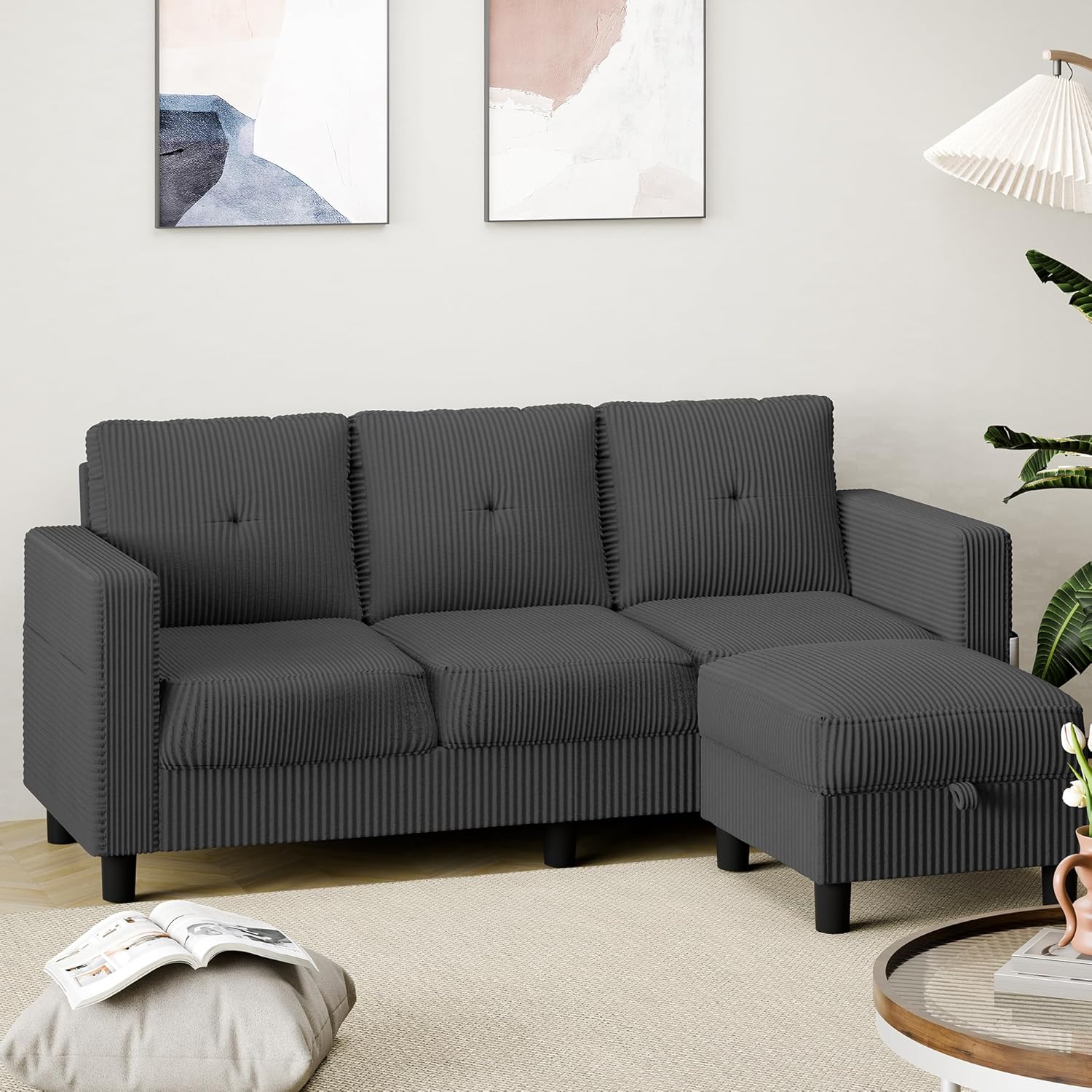
Shintenchi offers what might be the most straightforward option on this list. The design strips away unnecessary frills while keeping everything that actually matters. You get a sturdy L-shaped sectional with a reversible chaise, firm cushions, and assembly that truly requires no tools.
The 76-inch length makes this the most compact option we’re covering. If your living room measures closer to 10×10 feet than 12×12, this size works better than larger alternatives. The trade-off is obvious; you’re getting three seats, not four, and the chaise is narrower. But that’s the whole point. This sofa knows what it is and doesn’t try to be something else.
The fabric options include both linen and corduroy, depending on which model you choose. The corduroy variant adds texture and visual interest, while the linen keeps things simple and clean. Both resist pilling better than you’d expect at this price point. The cushions use the same high-density foam as pricier models, just with slightly thinner padding.
Setup is genuinely quick. The frame pieces slot together with connector clips, the legs screw in by hand, and you’re done. Total time runs about 10 minutes if you’re moving slowly. The whole sectional ships in one box rather than two, which simplifies delivery but means you need to be home when it arrives.
Pros:
- Most compact footprint for very small rooms
- Genuinely tool-free assembly process
- Corduroy option adds visual texture
- Ergonomic design supports natural posture
- Budget-friendly without feeling cheap
- Single-box shipping
Cons:
- Narrower chaise than competing models
3. JAMFLY Convertible L-Shaped Sectional Sofa
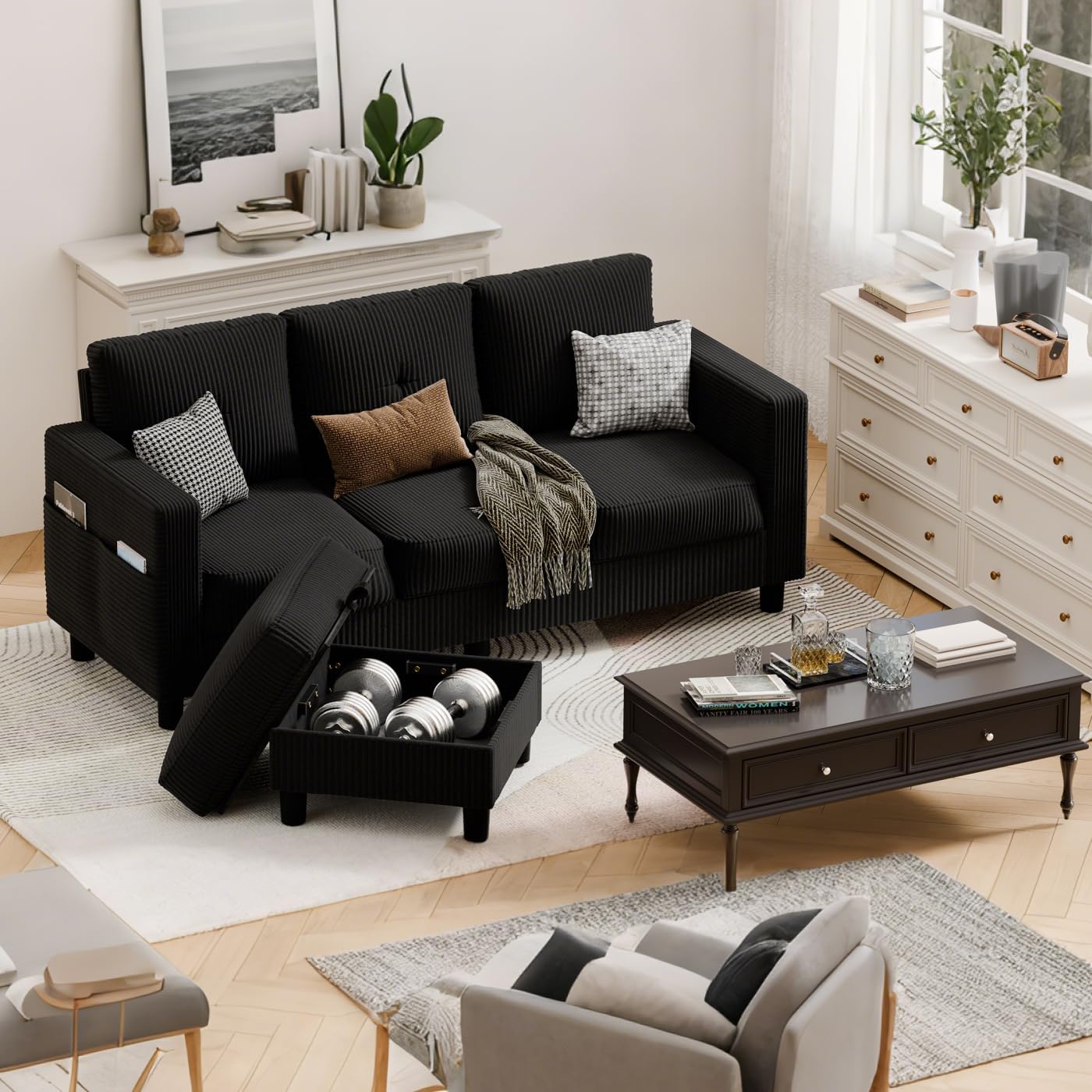
The JAMFLY distinguishes itself with that independent ottoman design everyone keeps talking about. Unlike sofas where the chaise is permanently attached, this ottoman moves wherever you need it. Put it on the left today, the right tomorrow, or pull it away from the sofa entirely to create two separate seating areas. This flexibility solves layout problems other sectionals can’t touch.
The ribbed fabric texture isn’t just for looks, it actually helps hide pet hair and resists pilling. If you’ve ever owned a solid-colored sofa that shows every speck of lint, you’ll appreciate this. The weave is tight enough to feel durable but breathable enough that you won’t overheat during summer months.
At 73.6 inches, this runs slightly shorter than the HONBAY, but the seat depth is actually a bit deeper. That extra inch or two makes a real difference when you’re sprawled out watching TV. The cushions use medium-firm density foam that provides decent back support without feeling like you’re sitting on a park bench.
The side pockets are a nice touch that sounds gimmicky until you actually use them. They’re positioned on both sides of the sofa, big enough for remotes and magazines but not so deep that things disappear. Little conveniences like this add up when you’re living in a space where every square foot matters.
Pros:
- Independent ottoman maximizes layout flexibility
- Ribbed fabric conceals pet hair effectively
- Deeper seat depth for comfortable lounging
- Side pockets keep essentials within reach
- Fits through narrow hallways and doorways
Cons:
- Slightly less firm than some prefer
4. Nolany Reversible Sectional Sofa
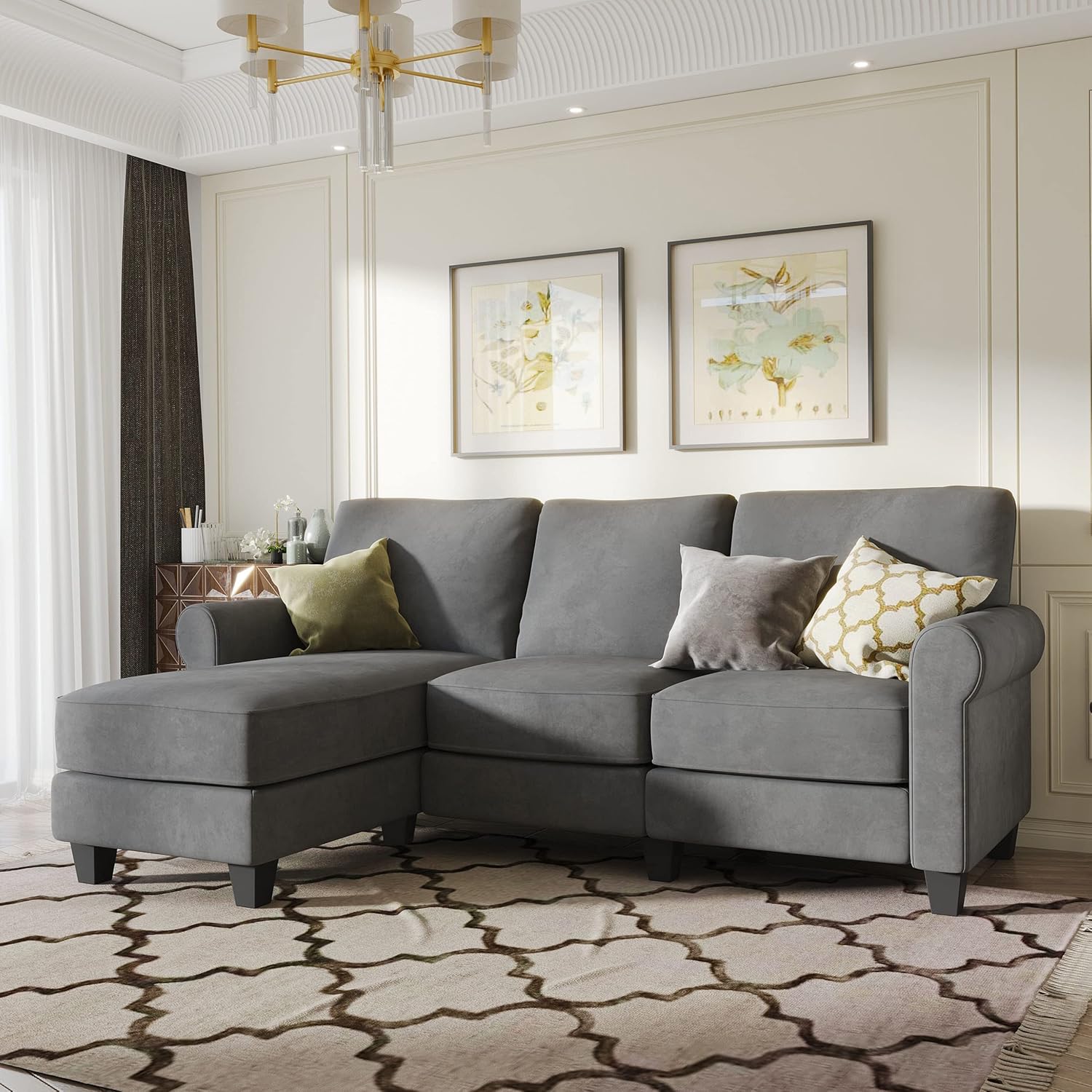
The Nolany takes a slightly different approach with its suede fabric option. If you’ve got pets, this matters more than you’d think. The material handles scratches from cat claws remarkably well, and dog hair doesn’t embed itself the way it does with some other fabrics. It’s not magic, but it’s noticeably better than cheaper alternatives.
Dimensionally, this sectional runs a bit smaller than the HONBAY at just under 79 inches. That extra inch or two of saved space might not sound like much, but in a cramped living room, every bit counts. The ottoman measures about 22 inches square, giving you legitimate footrest space without eating up too much floor area.
The construction uses a combination of solid wood frame and metal reinforcements. This hybrid approach keeps costs reasonable while maintaining stability. The cushions pack high-density sponge that bounces back after sitting. Even after several months of daily use, reviewers report minimal sagging.
One feature worth mentioning: the armrests use a fully wrapped design with three-dimensional hemming. This isn’t just aesthetics, it means the edges won’t fray or come apart after regular contact. Small details like this separate sofas that last years from ones that look worn after months.
Pros:
- Pet-friendly suede fabric resists scratches
- Compact dimensions fit extra-tight spaces
- High-density sponge maintains shape
- Three-dimensional hemming prevents fraying
- Vacuum-compressed packaging for easy delivery
Cons:
- Slightly shorter seat depth than average
5. Vongrasig Convertible Sectional Sofa
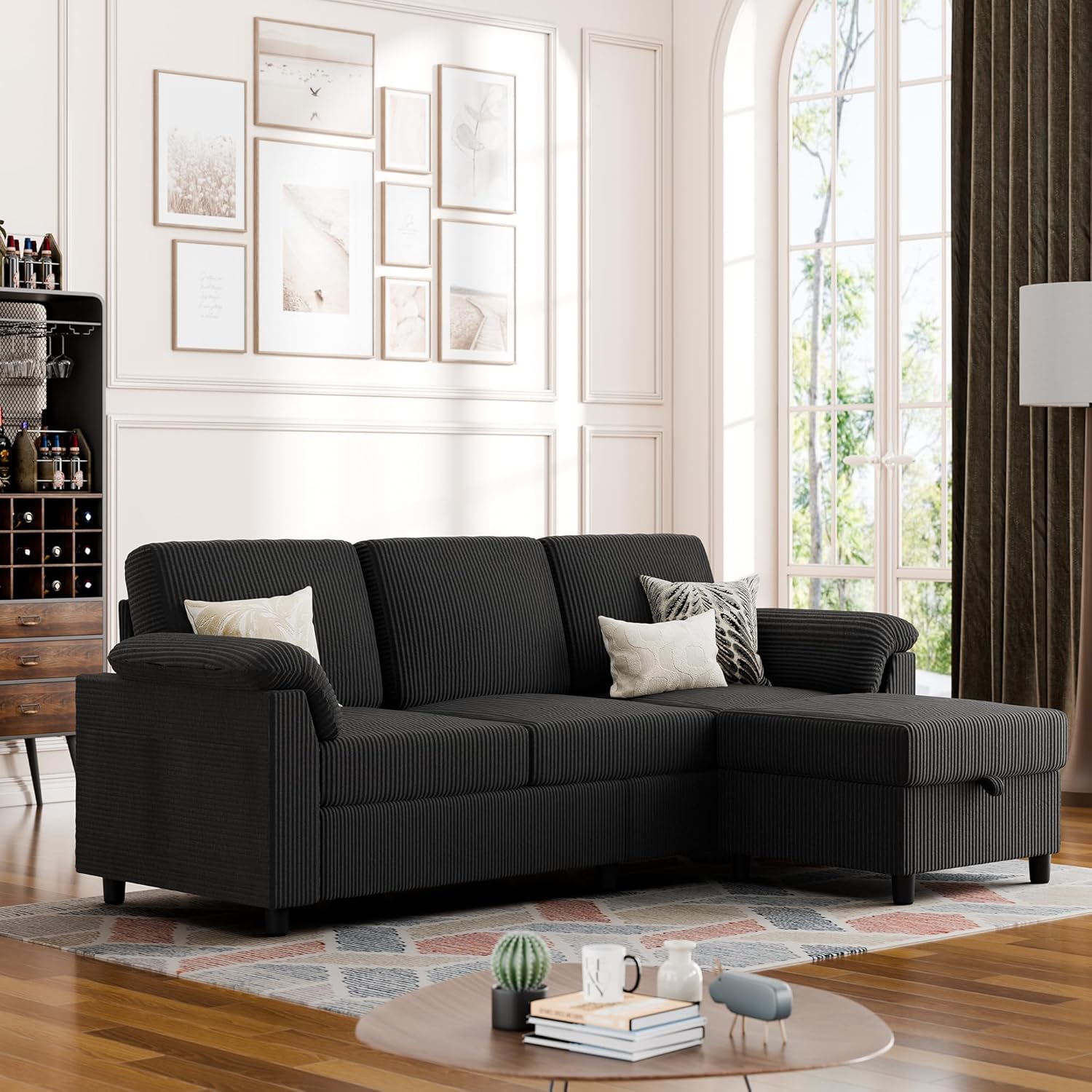
Vongrasig brings removable armrest cushions into the equation. These aren’t decorative throw pillows, they’re functional cushions that attach to the armrests via Velcro, turning them into comfortable leaning surfaces. When you want to lie down, they provide actual head support. When you don’t need them, pull them off and toss them aside.
The frame uses a hardwood base with reinforced laminate sections. This combination provides strength where it’s needed while keeping the overall weight manageable. Moving this sectional during cleaning or rearranging doesn’t require a team of people. One person can handle the individual pieces without too much effort.
The storage ottoman variant includes a lift-top compartment underneath. It’s not enormous, but it’ll swallow a couple of throw blankets and some magazines. For small living rooms where closet space is precious, this hidden storage helps keep clutter under control. The hydraulic lift mechanism operates smoothly without slamming down.
The 79-inch footprint puts this right in the middle of the pack size-wise. The seat and back cushions come with removable, washable covers, a feature that seems basic until you spill red wine on a non-removable cushion. Just unzip, toss in the washing machine, and you’re back in business.
Pros:
- Removable armrest cushions enhance comfort
- Washable cushion covers simplify cleaning
- Storage ottoman keeps essentials hidden
- Reinforced frame balances strength and weight
- Multiple fabric options suit different tastes
- Side storage pockets add convenience
Cons:
- Assembly requires more time than competitors
- Back cushion support varies by model
Buying Guide: Choosing the Best Sectional Sofas for Small Living Rooms
1. Consider Your Room’s Actual Measurements
Pull out a tape measure before you fall in love with any sofa. Measure your room’s length and width, then subtract at least 30 inches from each dimension. This gives you the maximum footprint for your sectional while leaving room to actually walk around it.
Don’t forget to measure doorways, hallways, and stairwells if you’re not on the ground floor. A sectional that fits your room perfectly doesn’t help if it won’t fit through your door.
Think about traffic flow too. Place painter’s tape on the floor in the shape of the sectional you’re considering. Live with it for a day or two. Can you move around comfortably? Does it block access to windows or outlets? These real-world tests reveal problems that numbers on paper might miss.
2. Evaluate Fabric Based on Your Lifestyle
The fabric you choose matters more than you think. Linen and cotton blends breathe well and resist static, making them solid choices for warmer climates. They show stains more easily though, so factor in whether you eat on your sofa and how often you’re willing to spot-clean.
Corduroy and velvet add visual texture and tend to hide minor marks better than smooth fabrics. The ribbed patterns break up the surface, making it harder to spot small imperfections. These fabrics do attract pet hair more readily, but a lint roller handles it easily enough. If you have pets who shed, look for tightly woven materials rather than loose weaves where fur can embed itself.
Performance fabrics resist water and stains but sometimes sacrifice that soft, lived-in feel. They’re practical for homes with kids or messy eaters. The trade-off is they can feel slightly synthetic to the touch. Run your hand across fabric samples if possible before committing.
3. Understand Cushion Fill Options
High-density foam provides firm support that maintains its shape over years of use. You’ll feel it when you first sit down, it doesn’t immediately conform to your body like memory foam. But this firmness prevents sagging and offers better back support during long sitting sessions. If you have lower back issues, prioritize density over softness.
Some sectionals combine foam with down or fiber fill. These hybrid cushions offer plushness up front with structural support underneath. They feel luxurious initially but require more maintenance. You’ll need to fluff and rotate cushions regularly to prevent them from developing permanent body impressions.
Spring coil systems add bounce and durability but increase weight and cost. Budget sectionals typically skip springs entirely, relying on foam alone. For small spaces where you’ll move furniture occasionally, the lighter weight of foam-only construction might actually work in your favor.
4. Check Assembly Requirements
Tool-free assembly sounds convenient until you realize some models still require awkward wrestling matches to connect pieces. Look for sectionals with clear connector clips or brackets that snap together obviously. Good design means assembly feels intuitive even if you lose the instructions.
Consider how the sectional breaks down too. Models that separate into smaller, lighter pieces make moving easier when lease renewal time comes around. If you anticipate relocating within a few years, prioritize sectionals that disassemble as easily as they assemble.
Some brands include extra hardware in case pieces get lost. Others don’t. Check whether replacement parts are available before buying. Nothing’s worse than losing a single bolt and discovering the manufacturer doesn’t sell replacements.
5. Assess Weight Capacity
Weight capacity numbers tell you about frame quality. Sectionals rated for 600+ pounds use sturdier construction than those maxing out at 400 pounds. Even if you don’t plan to seat three large adults simultaneously, higher capacity usually indicates better materials and engineering.
Check whether the weight rating applies to the entire sectional or individual seats. Some manufacturers list total capacity, others specify per-seat limits. The difference matters if you’re considering whether the sofa can handle you, your partner, and a couple of friends during game night.
6. Plan for Delivery and Returns
Small living rooms often mean narrow building entrances, tight stairwells, and elevator weight limits. Confirm the sectional ships in boxes narrow enough to navigate your building’s specific constraints. Most modern sectionals designed for apartments ship in 2-3 boxes under 24 inches wide, but verify before ordering.
Read the return policy carefully. Some companies charge restocking fees or require you to handle return shipping. Given that sectionals typically weigh 80-150 pounds, return shipping costs can run $100-$200 or more. Look for retailers offering free returns or at least providing prepaid shipping labels.
Storage Solutions for Small Living Rooms
Sectionals with built-in storage turn dead space into functional storage. Ottoman compartments work great for blankets, spare pillows, and seasonal items you don’t need daily. The lift-top designs provide easy access without requiring you to remove cushions or move furniture.
Side pockets sewn into armrests keep remotes, phones, and magazines within arm’s reach. These work best when positioned low enough that items don’t fall out when you shift position but high enough to reach without bending over. Check pocket placement photos carefully, some designs put them in awkward spots.
Under-sofa storage bins slide beneath sectionals with higher leg clearance. If your sectional has 6+ inches of space underneath, rolling storage boxes can hold shoes, office supplies, or hobby materials. Measure the clearance before assuming bins will fit.
Color Selection for Small Spaces
Light colors make rooms feel more spacious by reflecting light around the space. Beige, light gray, and cream sectionals brighten small living rooms naturally. They show dirt more readily though, so balance aesthetics against maintenance realities.
Dark colors like charcoal and navy hide stains better and create cozy, intimate feelings. In tiny rooms, dark furniture can feel heavy if you’re not careful. Balance dark sectionals with lighter walls, curtains, and rugs to prevent the space from feeling claustrophobic.
Pattern fabrics camouflage wear and tear impressively well. Subtle textures or tone-on-tone patterns give visual interest without overwhelming small rooms. Avoid large, bold patterns that can make spaces feel busy and chaotic.
Sectional Shapes and Configurations
L-shaped sectionals work best in corners, maximizing seating while leaving floor space open in the center. This configuration suits rectangular rooms where one corner can accommodate the long side of the L. The perpendicular arrangement creates natural conversation areas.
Reversible chaises give you setup flexibility when room layouts change. Being able to switch the chaise from left to right means you’re not locked into one furniture arrangement forever. This adaptability proves valuable when you move to a new place with a different floor plan.
Modular sectionals break into individual pieces you can rearrange freely. These offer maximum flexibility but often cost more than fixed-configuration sectionals. Decide whether you’ll actually reconfigure regularly or if you’re paying for flexibility you won’t use.
Frequently Asked Questions
1. What is the ideal sectional size for a small living room?
A sectional measuring 75-80 inches on the long side works well for most small living rooms. This provides comfortable seating for 3-4 people without overwhelming the space. Make sure to leave at least 30 inches of clearance around the sectional for walking paths. Rooms under 10×10 feet might need even smaller options in the 70-75 inch range.
2. How do I measure my space for a sectional sofa?
Start by measuring your room’s length and width, then mark the area where the sectional will sit using painter’s tape on the floor. Include the sectional’s full dimensions including any protruding chaises or ottomans. Walk around the taped outline for a few days to ensure it doesn’t block traffic flow. Measure all doorways, hallways, and stairwells the sectional must pass through during delivery.
3. Can sectional sofas make a small room look bigger?
Yes, when chosen correctly. L-shaped sectionals positioned in corners free up central floor space, making rooms feel more open. Light-colored fabrics reflect light and create an airy feeling. Sectionals with exposed legs rather than solid bases allow visual space to flow underneath, preventing the heavy, grounded look that makes rooms feel cramped.
4. What is better for small spaces: a sectional or a regular sofa?
Sectionals typically provide more seating in less space than a sofa plus separate chairs. An L-shaped sectional fits neatly into a corner, using space that might otherwise go empty. Regular sofas work better if you need furniture that’s easy to move frequently or if your room shape doesn’t accommodate an L configuration.
5. Are reversible chaise sectionals worth it?
Absolutely, especially if you might move apartments or like rearranging furniture. Reversible chaises adapt to different room layouts without requiring you to buy new furniture. They’re also helpful when moving to a new place where you’re not sure which configuration will work best until you actually live there.
6. How much clearance do I need around a sectional?
Plan for 30-36 inches of clearance on the sides where people will walk regularly. This allows comfortable passage without squeezing sideways. You can reduce clearance to 18-24 inches on sides that face walls or in corners where traffic is minimal. Don’t forget clearance for pulling out storage ottomans or reclining features.
7. What fabric is most durable for small living room sectionals?
Tightly woven linen, performance fabrics, and quality corduroy rank among the most durable options. Look for fabrics rated for at least 30,000 double rubs if durability specifications are listed. Avoid loosely woven materials that snag easily. For homes with pets, consider suede or microfiber alternatives that resist scratches and clean easily.
8. How do I clean and maintain a sectional sofa?
Vacuum cushions weekly using an upholstery attachment to remove dust and debris. Spot-clean spills immediately with a damp cloth and mild soap. For sectionals with removable covers, follow washing instructions carefully, most recommend cold water and air drying. Rotate and flip reversible cushions monthly to ensure even wear.
9. Can I fit a sectional through a narrow doorway?
Most modern sectionals designed for apartments break down into pieces under 24 inches wide. Measure your narrowest doorway and confirm each piece will pass through with a few inches to spare. Remove the legs if possible to reduce height clearance needs. Some sectionals can be angled diagonally through doorways if needed.
10. What is the average lifespan of a budget sectional sofa?
Budget sectionals typically last 3-7 years with regular use, depending on construction quality and care. Sectionals with solid wood frames and high-density foam cushions last longer than those using particleboard and low-density fill. Proper maintenance, including rotating cushions and avoiding jumping or standing on furniture, extends lifespan significantly.
Conclusion
Finding the best sectional sofas for small living room spaces comes down to measuring carefully, choosing quality construction, and prioritizing features that match your actual lifestyle. The sectionals we’ve covered offer proven performance in tight quarters without sacrificing comfort or style.
Don’t rush this decision. A sectional is an investment you’ll interact with daily for years. Take time to verify dimensions, read return policies, and understand what you’re actually getting.
The right choice of sofas transforms your small living room from cramped to cozy, giving you a space you actually want to spend time in. Your future self will thank you for doing the homework now rather than dealing with buyer’s remorse later.